
Insights for work and life.
Relocating with a Pet to Singapore: AVS Import Rules for New Employment Pass Holders
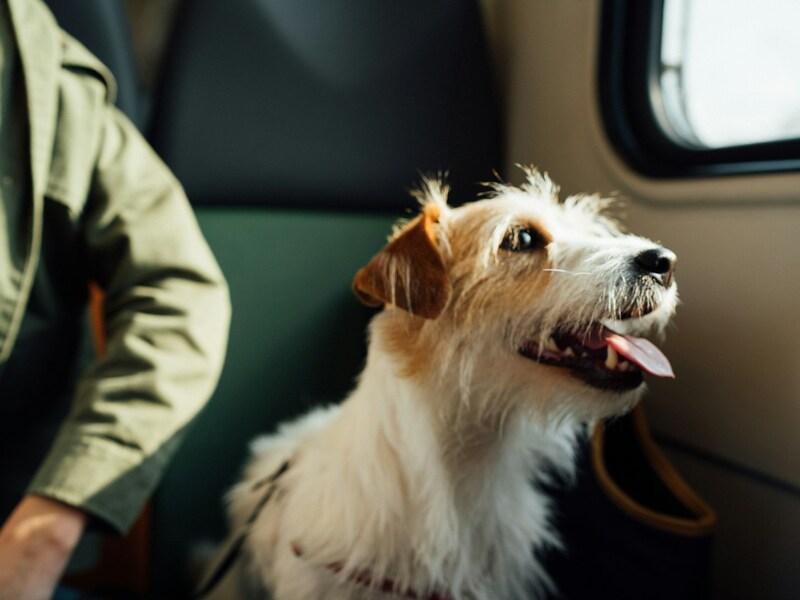
Bringing a cat into Singapore costs at least SGD 50 for the import licence alone, before a single dollar is spent on vaccinations, blood tests or quarantine, and most new arrivals only discover this once their Employment Pass is already approved and the moving date is fixed. Relocating with a pet to Singapore is not a paperwork afterthought that can be sorted out in the final fortnight before departure. It is a parallel application process, run by a different agency to the one that issued your work pass, with its own timelines, breed restrictions and housing rules that can catch even well-prepared Employment Pass holders off guard.
The agency in charge is the Animal & Veterinary Service (AVS), part of the National Parks Board (NParks), not the Ministry of Manpower. That distinction matters because an approved Employment Pass has no bearing on whether your dog or cat will be allowed to enter the country, how long it must be quarantined, or whether it can even live in the flat you plan to rent. This guide sets out what AVS actually requires, where the timeline collides with a typical Employment Pass relocation schedule, and what that looks like in practice.
If you are still finalising your move more broadly, our complete guide to relocating to Singapore as a family covers the wider timeline for passes, housing and schooling that this pet-specific process needs to slot into.
Why Relocating with a Pet to Singapore Takes Longer Than an Employment Pass Application
An Employment Pass application, once complete, is typically processed by the Ministry of Manpower within weeks. The AVS import process runs on a separate clock, and for many countries of origin it takes considerably longer once vaccination validity periods and blood tests are factored in. AVS first sorts the exporting country or region into one of three rabies risk categories, Schedule I, II or III, with sharply different veterinary conditions attached to each (Animal & Veterinary Service, AVS, “Importing dogs and cats,” as at 5 August 2026).
Pets from Schedule I countries, currently Australia, New Zealand, the Republic of Ireland and the United Kingdom, need no rabies vaccination or serology test and face no mandatory quarantine, provided all other conditions are met. Pets from Schedule II countries, including the United States, Japan, Canada, most of the European Union and Hong Kong SAR, need a valid rabies vaccination followed by a blood test for rabies antibodies taken at least 28 days after vaccination and within 90 days to 12 months before export. Pets from Schedule III countries, essentially everywhere else, face the same vaccination and serology requirements plus a mandatory minimum 30-day quarantine at the Animal Quarantine Centre (AVS, “Importing dogs and cats,” as at 5 August 2026). An Employment Pass holder relocating from a Schedule III country should start the AVS import process at least three to four months before the intended move date, well before most people think about booking flights for a pet.
Step 1: Confirm Your Pet’s Breed Is Allowed In Singapore, and In Your Home
Check two separate lists before booking anything. The first is the national list of breeds barred from entering Singapore altogether. AVS prohibits the import of Pit Bull-type dogs (including the American Pit Bull Terrier, American Staffordshire Terrier and Staffordshire Bull Terrier), the American Bulldog, Akita, Boerboel, Dogo Argentino, Fila Brasileiro, Neapolitan Mastiff, Tosa, Perro De Presa Canario, and crosses of these breeds. For cats, first-to-fourth generation Bengal or Savannah cat crosses are barred unless the owner can prove the animal is at least a fifth-generation cross from the ancestral wild stock (AVS, “Importing dogs and cats,” as at 5 August 2026).
The separate HDB housing restriction that catches renters out
The second list matters even after a pet clears AVS’s national checks: whether your actual housing type will let you keep it. This is an eligibility trap that catches a surprising number of new Employment Pass holders, because it is enforced by the Housing & Development Board (HDB), not AVS, and the two agencies’ rules do not fully line up. HDB’s own guidance states that only one dog, and only from its published list of approved smaller breeds, may be kept per HDB flat, and that cats are not permitted in HDB flats at all (Housing & Development Board, “Keeping Pets”, current guidance). This sits alongside AVS’s own import framework, which references a higher allowance for non-HDB private housing: up to three cats or dogs combined, with only one being a Specified dog (AVS, “Importing dogs and cats,” as at 5 August 2026).
If you plan to rent an HDB flat on the open market, which Employment Pass holders can legally do for whole-unit rentals, do not assume a cat can move in simply because AVS’s import process approves the animal. Confirm directly with HDB and your landlord before signing a lease. Most Employment Pass families sidestep the issue by renting private condominiums instead, where the cap is the more generous three-pet limit; our guide to choosing a neighbourhood to rent in Singapore breaks down condo rental ranges by area for exactly this kind of planning.
Step 2: Vaccinations, Microchipping and the AVS Import Licence
Once a pet clears both eligibility checks, AVS requires a fixed sequence of steps: microchipping to ISO Standard 11784 or 11785 Annex A, with the chip number recorded on every vaccination record, plus core vaccinations (Canine Distemper, Adenovirus type 1 and Parvovirus type 2 for dogs; Feline Calicivirus, Herpesvirus-1 and Panleukopaenia for cats), on top of any rabies vaccination required by the country’s Schedule category (AVS, “Importing dogs and cats,” as at 5 August 2026).
Before applying for an AVS import licence for dogs and cats, the owner must first obtain a dog or cat licence through AVS’s Pet Animal Licensing System. Only then can the import licence be applied for through the GoBusiness Licensing Portal. Normal service costs SGD 50 and issues within two working days; express service costs SGD 100 and issues the next working day. The import licence is valid for 90 days from issue, so applying too early wastes part of that window. A border control inspection appointment must also be booked at least five days before arrival, whether the pet enters by air through Changi Animal & Plant Quarantine Station or by land through Tuas Checkpoint; turning up unbooked triggers a fee of SGD 133 per hour or part thereof (AVS, “Importing dogs and cats,” as at 5 August 2026).
Step 3: Budgeting for Pet Quarantine in Singapore
Quarantine is not automatic for every animal, and its length depends on the exporting country’s Schedule category. Schedule I pets need none if fully compliant. Schedule II pets can avoid quarantine if the pet arrives less than five days from the owner’s own entry and has lived at the same address as the owner for more than six months before import; otherwise a minimum 10-day home quarantine applies. Schedule III pets face a minimum 30-day quarantine at the Animal Quarantine Centre, with rabies vaccination administered on arrival (AVS, “Importing dogs and cats,” as at 5 August 2026).
Home quarantine, where eligible, is applied for via a dedicated FormSG channel, and approved pets wear a smart collar tag at an upfront cost of SGD 29 per animal per day or part thereof. This detail matters for Employment Pass holders who have not yet secured permanent housing, since home quarantine requires a fixed, approved residential address.
Step 4: GST and Customs Approval for Employment Pass Holders Bringing Pets
A pet entering Singapore is, for Customs purposes, an imported good subject to Goods and Services Tax unless relief is granted. Singapore Customs may grant GST relief on a change-of-residence pet import if the owner is the genuine owner, the import is personal and non-commercial, the owner will not sell or transfer the pet within three months of import, the pet has been owned for at least three months, and it is imported within six months of the owner’s first arrival in Singapore (Singapore Customs, “Importing Personal Pets as Part of a Change of Residence,” as at 20 August 2026).
Relief is not automatic. If the pet travels on a different flight, a Declaration of Facts must reach Customs at least five working days before arrival. If the pet travels with the owner, a separate application form is required, also five working days ahead, with supporting documents such as the AVS import licence, passport, and proof of residence transfer such as the Employment Pass or the employer’s In-Principle Approval letter (Singapore Customs, as at 20 August 2026). Families sponsoring a spouse or children at the same time should also read our Dependant’s Pass and LTVP guide, since the same approval documents often double as Customs supporting evidence.
Worked Example: Two Employment Pass Families, Two Very Different Timelines
The Tan family accepted an Employment Pass offer in London and planned to bring their elderly cat with them. Because the United Kingdom is a Schedule I country, the cat needed no rabies vaccination or serology test, no quarantine, and the entire AVS process was completed within about six weeks alongside their other relocation paperwork.
The Osei family, relocating from a Schedule III country for the husband’s Employment Pass, started the same process for their dog three months ahead. The dog needed a rabies vaccination, a 28-day wait before the serology blood test, and that test itself had to fall at least 90 days before export, locking in a minimum lead time of around four months before the dog could even board a flight, plus a mandatory 30-day quarantine at the Animal Quarantine Centre on arrival, a cost the family had not budgeted for. Their case shows why the country of origin’s Schedule category, not the Employment Pass approval date, should be the first thing checked when relocating with a pet to Singapore.
Practical Tips Beyond the Official Checklist
Engage an AVS-recognised pet agent if the logistics feel overwhelming; AVS maintains a public list of recognised agents, though inclusion is not an endorsement, so owners should still exercise their own due diligence. Budget realistically too: between the import licence, vaccinations, serology testing, quarantine fees and a transport crate, a Schedule III import for a medium-sized dog can run into several thousand SGD once flights are included, a cost rarely covered by a standard employer relocation allowance.
Families arranging domestic help to manage a pet alongside young children during the settling-in period may find our guide to hiring a foreign domestic worker in Singapore useful, since many new Employment Pass households take on both a pet and a helper in the same first few months. If permanent housing is part of the longer-term plan rather than renting, our guide to buying property in Singapore as a foreigner sets out the separate eligibility rules that apply once a family is ready to stop renting.
Finally, if your relocation involves setting up a company or family office alongside the move rather than only an individual Employment Pass, Raffles Corporate Services’ guide to Dependant’s Pass eligibility and application requirements is a useful companion resource, since incorporation and pass timelines often need to be sequenced together.
Conclusion
Relocating with a pet to Singapore is entirely achievable, but it runs on AVS’s clock, not the Ministry of Manpower’s, and the two rarely line up by accident. Start the breed and Schedule category checks the moment your Employment Pass offer is confirmed, confirm your intended housing will actually accept the pet before signing a lease, and budget for quarantine and Customs procedures as a distinct line item in your relocation costs. For help sequencing your Employment Pass, Dependant’s Pass and family relocation timeline as a whole, get in touch with Singapore Employment Agency, and for the corporate or family office side of a move, Raffles Corporate Services can help with the incorporation and company secretarial work that often runs alongside it.
The Editorial Team, Little Big Employment Agency
Real people. Right here in Singapore.