
Insights for work and life.
Importing Exotic Pets to Singapore: AVS Rules (2026)
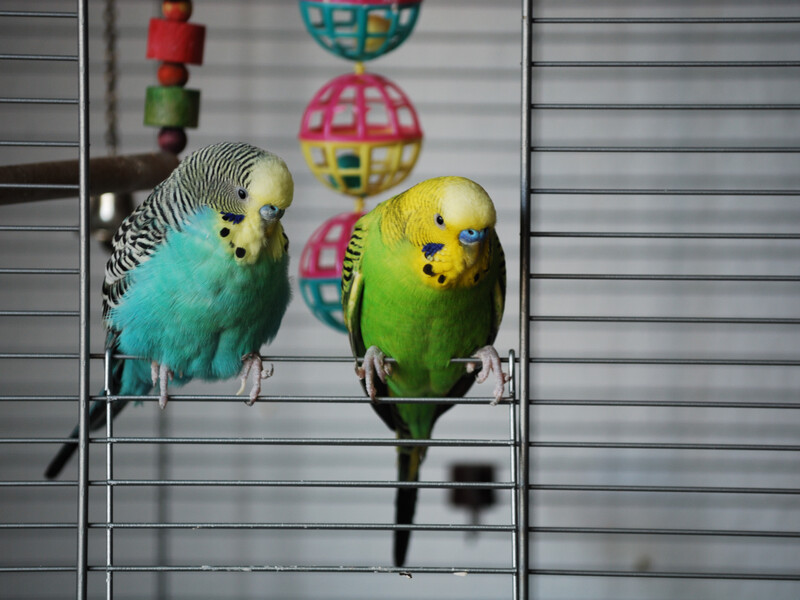
Four parrot species can fly into Singapore on a standard import licence alone, while every other parrot species, including the macaws and cockatoos often kept as household pets, needs a CITES permit on top of it. Anyone importing exotic pets to Singapore for the first time usually discovers this species-by-species patchwork only after choosing the pet, with the moving date already fixed.
Employment Pass, S Pass and Dependant’s Pass families researching a relocation find plenty of guidance on dogs and cats, which sit under their own AVS track built around rabies risk. Birds, small mammals such as rabbits, hamsters and guinea pigs, and almost all reptiles are governed by separate pages on the same regulator’s website, with different permits, different timelines, and for a long list of species, an outright ban regardless of the paperwork filed. This guide sets out what applies once the pet is not a dog or a cat.
If a dog or cat is what you are relocating instead, our companion piece on AVS import rules for dogs and cats covers the rabies categories specific to them. For the wider move, our complete guide to relocating to Singapore as a family sets out how pass timing, housing and schooling fit together.
Why Importing Exotic Pets to Singapore Follows a Different Route
The Animal & Veterinary Service (AVS), part of the National Parks Board (NParks), treats each pet category as its own import track. Dogs and cats follow rules built around rabies risk. Ornamental birds, small mammals and reptiles each sit on separate pages, and NParks also administers Singapore’s obligations under the Convention on International Trade in Endangered Species of Wild Fauna and Flora (CITES) for listed species (Animal & Veterinary Service, AVS, “Importing ornamental birds,” last updated 10 September 2026).
Check AVS’s own list of animals approved as pets before anything else. Dogs, most cat breeds, and small mammals including rabbits, mice, hamsters, guinea pigs, gerbils and chinchillas are approved companion animals. A further “approved wildlife” list, kept under the Wildlife Act, includes most birds (with named exceptions), most fish and invertebrates, and only two reptile or amphibian species: the red-eared slider and the Malayan box turtle (AVS, “Animals that can be kept as pets,” last updated 14 May 2026). If the animal is not on either list, no import licence makes it legal to keep.
Birds: CITES Import Permits and the Four Parrot Species That Skip Them
Ornamental birds, AVS’s term for pet and breeding birds as opposed to poultry, cover everything from budgerigars to macaws. Most parrot species are CITES-listed, meaning an AVS import licence alone is not enough. The exceptions, none CITES-listed, are the peach-faced lovebird, budgerigar, cockatiel and ring-necked parakeet (AVS, “Importing ornamental birds,” last updated 10 September 2026).
Every other parrot species needs a CITES export or re-export permit from the departure country first, then a CITES import permit from NParks via the GoBusiness Licensing Portal. NParks recommends applying at least two working weeks before arrival; processing generally takes about seven working days. Each permit costs SGD 60 per consignment (SGD 12 per species, subject to that minimum), valid for 180 days with no extension (National Parks Board, “Bringing Pet Birds Into Singapore,” CITES import factsheet, March 2025 edition).
The AVS Import Licence, and the Avian Influenza Check That Comes First
Only once any required CITES import permit is approved can the separate AVS import licence be applied for: SGD 50 normal service (two working days) or SGD 100 express (one working day), valid for 30 days, shorter than the 90 days AVS gives for dogs, cats and small mammals (AVS, “Importing ornamental birds,” last updated 10 September 2026). Before that, AVS requires confirmation that the exporting zone is free of avian influenza, checked against AVS’s published list; birds from an affected zone cannot be imported. A veterinary health certificate is required within seven days of export, and a border inspection appointment at Changi Animal & Plant Quarantine Station must be booked at least five days ahead, or a SGD 133 per hour walk-in fee applies.
Small Mammals: Rabbits, Hamsters and Guinea Pigs Have Their Own Ownership Test
Rabbits, mice, hamsters, gerbils, guinea pigs and chinchillas can be imported from any country, with no rabies-style categorisation, provided AVS’s conditions are met: parasite treatment four to fourteen days before export, plus a health certificate. The import licence follows the same SGD 50 to SGD 100 fee structure as birds and dogs and cats, but keeps the longer 90-day validity (AVS, “Importing small mammals,” last updated 5 August 2026).
The detail that catches new arrivals out is ownership history: AVS requires a personally imported small mammal to have been kept continuously since birth, or for at least six months before the move. Anyone hoping to import small mammals to Singapore straight from an overseas breeder is on a different track.
Buying From an Overseas Breeder Changes the Paperwork
Imports sourced directly from a breeder need a commercial-grade health certificate rather than the personal-pet version, face a mandatory two-week quarantine at an AVS-approved premises, and can only come from a facility that already holds AVS approval, typically arranged through a licensed pet shop or farm. AVS states plainly that imports from unapproved facilities are not permitted (AVS, “Importing small mammals,” last updated 5 August 2026). A family relocating a hamster or rabbit they already own faces a far lighter process than one hoping to buy a new pet from an overseas breeder once the move date is fixed.
What AVS Will Not Let Into Singapore As a Pet At All
Reptiles and amphibians are, with two exceptions, simply not importable as pets. AVS states that amphibians and reptiles generally cannot be imported as pets, and the only permitted species, the red-eared slider and the Malayan box turtle, each require a specific letter of authorisation before import (AVS, “Importing amphibians and reptiles,” last updated 4 February 2026). Snakes, lizards, iguanas, tortoises other than the Malayan box turtle, and salamanders including axolotls all sit on AVS’s banned list, alongside hedgehogs, sugar gliders and slow lorises among mammals, and tarantulas, scorpions and piranhas (AVS, “Animals that can be kept as pets,” last updated 14 May 2026). No import licence, CITES permit or quarantine period changes this; a banned species simply cannot clear the border as a pet.
GST Relief and Customs Approval for an Exotic Pet Import
Once AVS’s requirements are met, the pet is still, for Customs purposes, an imported good subject to Goods and Services Tax unless relief is granted. Relief may apply where the owner genuinely owns the animal, the import is personal and non-commercial, the owner will not sell or transfer it within three months of import, it has been owned for at least three months, and it is imported within six months of the owner’s first arrival in Singapore (Singapore Customs, “Importing Personal Pets as Part of a Change of Residence,” last updated 20 August 2026).
If the pet travels on a different flight, a Declaration of Facts must reach Customs at least five working days before arrival. If it accompanies the owner, a separate GST relief application is required, also five working days ahead, with the AVS import licence, passport, and evidence of residence transfer such as the Employment Pass or the employer’s in-principle approval letter (Singapore Customs, as at 20 August 2026). Families shipping the rest of their household at the same time should read our guide to GST import relief for household goods, since the same six-month window and supporting documents apply to both applications.
Exotic Pet Import Timelines and Costs At a Glance (as at 18 September 2026)
| Pet category | Special permit needed | Import licence validity | Quarantine on arrival | Approximate government fees |
|---|---|---|---|---|
| Non-CITES bird (e.g. budgerigar) | None beyond the AVS licence | 30 days | None if healthy on inspection | SGD 50 to SGD 100 |
| CITES-listed bird (e.g. macaw) | Foreign CITES export permit plus NParks import permit | 30 days | None if healthy on inspection | SGD 60 plus SGD 50 to SGD 100 |
| Small mammal owned 6+ months | None beyond the AVS licence | 90 days | None if healthy on inspection | SGD 50 to SGD 100 |
| Small mammal from an overseas breeder | Commercial health certificate; approved facility | 90 days | Mandatory 2 weeks, AVS-approved premises | SGD 50 to SGD 100 plus boarding |
| Red-eared slider or Malayan box turtle | AVS letter of authorisation | Not applicable | Per authorisation conditions | Administrative only |
| Any other reptile or amphibian | Not importable as a pet | Not applicable | Not applicable | Not applicable |
Worked Example: Two Families, Two Different Birds
The Reyes family accepted an Employment Pass offer and wanted to bring their two budgerigars. As a non-CITES species, they only needed the standard AVS import licence, applied for once flights were booked, and cleared inspection at Changi Animal & Plant Quarantine Station within thirty days of issue.
The Bergström family wanted to bring their African grey parrot, a CITES-listed species, instead. They secured a CITES export permit at home, then applied for NParks’ CITES import permit two working weeks ahead, and only once that cleared could they apply for the 30-day AVS licence. Because the CITES step alone can take about seven working days and the two applications cannot run in parallel, the Bergströms started roughly six to eight weeks before travel, well ahead of the Reyes family’s single-licence process.
Fitting an Exotic Pet Import Into Your Work Pass Timeline
An online Employment Pass application is typically processed or given a status update within ten business days, and once approved, the in-principle approval letter gives the candidate six months to enter Singapore (Ministry of Manpower, MOM, “Apply for an Employment Pass,” last updated 15 June 2026). That window comfortably absorbs most bird or small mammal import timelines, including a CITES-listed bird’s six-to-eight-week runway, provided the pet paperwork starts as soon as the in-principle approval is issued rather than after the family has already landed.
Families bringing a spouse or children on a Dependant’s Pass at the same time should also read our Dependant’s Pass guide, since the same in-principle approval and residence-transfer evidence often doubles as supporting documentation for the pet’s Customs GST relief application. S Pass holders follow the identical process; the pet import rules distinguish by species, not by which pass sponsors the family.
Practical Tips Before You Book a Flight
Confirm housing type before committing to a species: HDB flats and condominium rules often restrict pets per unit independently of what AVS allows, so an approved import can still be unworkable in a leased flat. Budget realistically too: a CITES-listed bird import can run to several hundred SGD once fees, certification and a proper travel carrier are added, a cost most relocation allowances do not itemise. Our guide to the cost of living in Singapore for expat families is a useful place to build this into a first-year budget.
Families relocating to set up or run a Singapore company alongside an individual work pass should also see Raffles Corporate Services’ guide to incorporating a Singapore company while on an Employment Pass, since incorporation timing, pass timing and a pet’s import runway often sit on the same calendar.
Conclusion
Importing exotic pets to Singapore is achievable for most birds and small mammals, but it does not run on the same rules, timeline or cost structure as importing a dog or cat, and for most reptile and amphibian species it is not possible at all. Check AVS’s approved pet list first, confirm whether a CITES permit applies before booking any flight, and build the import timeline around your work pass’s in-principle approval date rather than your moving date. For help sequencing your Employment Pass, S Pass or Dependant’s Pass alongside the rest of a family relocation, get in touch with Singapore Employment Agency, and for the incorporation and company secretarial side of a move, Raffles Corporate Services can help with the paperwork that often runs in parallel.
The Editorial Team, Little Big Employment Agency
Real people. Right here in Singapore.