
Insights for work and life.
Assistance Dogs in Singapore: AVS Import and HDB Rules
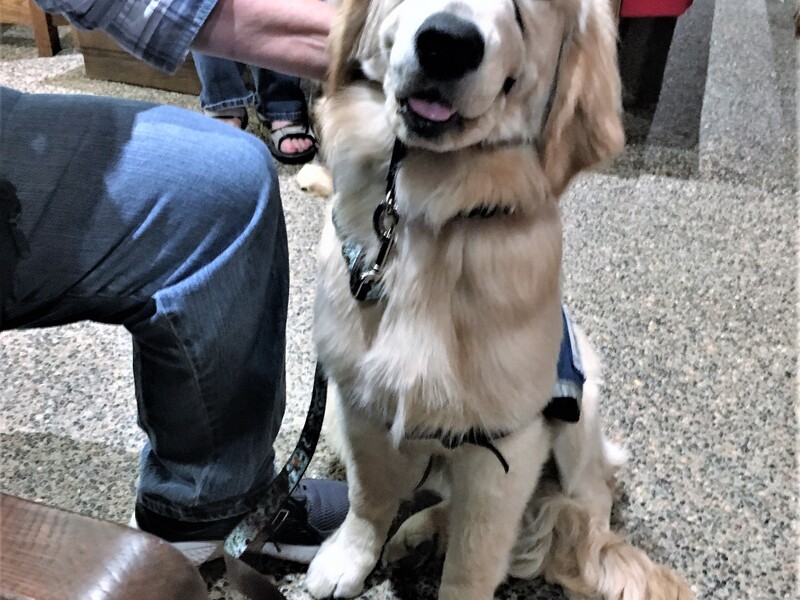
Relocating with assistance dogs in Singapore runs on rules almost entirely separate from ordinary pet import: an assistance dog is not a pet in the eyes of Singapore’s Animal & Veterinary Service (AVS), and that distinction changes how it is imported, housed and licensed. For an expat family relocating on an Employment Pass, S Pass or Dependant’s Pass with a member who relies on a trained assistance dog, it is the difference between a straightforward import and a months-long scramble against a lease and a work pass start date.
Most relocation guides lump assistance dogs in with ordinary pet imports, but AVS runs a separate approval track, and HDB applies a separate exemption to its usual one-dog, approved-breed-list policy. Get the sequencing wrong and a family can find itself in temporary housing with a dog it cannot yet bring into the country, or a flat that will not accept the breed once the dog arrives.
This guide sets out how pass timing interacts with the AVS import process, what the AVS assistance dog licence requires, how HDB and condominium rules differ from the rules for ordinary pets, and a realistic cost and timeline for planning the move.
Which Work Pass Holders Can Bring an Assistance Dog to Singapore
The immigration side of a relocation and the AVS side run on separate clocks, and the two need to be read together rather than in sequence. An Employment Pass applicant is the usual sponsor in these cases: once the pass is approved, dependants (including a family member who relies on the assistance dog) typically follow on a Dependant’s Pass, and the dog itself is imported independently of either pass under its own AVS licence.
S Pass holders sponsoring family follow a similar pattern, though the qualifying salary and dependant eligibility rules are stricter; families relocating on a S Pass should confirm dependant eligibility before assuming the assistance dog’s housing is settled. In practice, the work pass rarely blocks the dog’s import directly, since AVS does not require proof of a Singapore address before issuing an import licence. The real constraint is housing: a family cannot commit a dog to a lease or an HDB flat until the tenancy is confirmed, and that confirmation usually waits on the work pass being approved first.
The sequencing that avoids the worst outcomes: secure the work pass in principle, start the AVS eligibility assessment in parallel (it does not depend on the pass), confirm housing only once both are reasonably certain, and only then book flights and the import licence, valid for 90 days from issue and not extendable.
What Counts as an Assistance Dog Under Singapore Law
AVS draws a firm line between an assistance dog and an emotional support animal, and only the former qualifies for the separate import track. As at 5 August 2026, AVS’s published guidance on importing assistance dogs defines an assistance dog as one trained to assist a person with a disability, and explicitly excludes emotional support dogs, which must instead go through the standard pet import process with no special exemption.
To be accepted as an assistance dog for import purposes, a family must submit, ahead of the import licence application: documentation from a medical practitioner confirming the disability and the ongoing dependence on the dog; confirmation that the dog was trained by a member organisation of Assistance Dogs International (ADI) or the International Guide Dog Federation (IGDF); and evidence that the dog has already been assisting the person for at least six months. AVS assesses this eligibility before the import licence is lodged, not as part of it, so families should build in time for a separate approval step.
Locally, the Ministry of Social and Family Development (MSF) runs a complementary framework. Under the Enabling Masterplan 2030, MSF extended assistance dog access, previously limited to guide dogs for the visually impaired, to persons with physical disabilities and persons who are deaf or hard of hearing, with access phased in across public housing, public transport and licensed food and beverage premises. A person with a disability who intends to keep an assistance dog in Singapore, whether the dog is imported or acquired locally, should register with MSF, since that registration is what HDB and other agencies check when granting exemptions from the usual pet rules.
The AVS Import Licence and Permit Process for Assistance Dogs in Singapore
Once eligibility is confirmed, the mechanics follow a fixed sequence. First, check that the dog’s breed is not on the prohibited list, which applies to assistance dogs exactly as it applies to ordinary pets: Pit Bull-type breeds and crosses, Akita, Boerboel, Dogo Argentino, Fila Brasileiro, Neapolitan Mastiff, Tosa and Perro De Presa Canario are not permitted entry regardless of the dog’s training or purpose.
Second, apply for and obtain the import licence via the GoBusiness Licensing Portal before the dog travels. As at 21 September 2026, AVS’s import conditions for dogs and cats price the personal import licence at SGD 50 for normal service (issued two working days after a complete submission) or SGD 100 for express service (one working day). The licence is valid for 90 days from issue and cannot be extended, so it should be timed close to the confirmed travel date rather than applied for speculatively.
Breed and Country of Origin Considerations
The exporting country’s rabies risk category determines the veterinary conditions that apply. AVS groups countries into three schedules: Schedule I (Australia, New Zealand, the Republic of Ireland and the United Kingdom) requires no rabies vaccination or blood test; Schedule II (a longer list including the United States, most of continental Europe, Canada, Japan and Hong Kong) requires rabies vaccination and a serology blood test at least 90 days before export; and Schedule III (everywhere else) carries the same vaccination and serology requirements plus mandatory post-arrival quarantine.
Quarantine Rules by Rabies Risk Schedule
Quarantine is where assistance dogs and ordinary pets diverge most in practical effect, even though the schedule rules are the same on paper. Dogs from Schedule I countries need no quarantine. Dogs from Schedule II countries can avoid quarantine entirely if the dog arrives within five days of the owner’s own entry and has lived continuously with the owner for more than six months; otherwise a minimum 10-day home quarantine applies. Dogs from Schedule III countries face a mandatory minimum 30-day quarantine at the Animal Quarantine Centre regardless of the dog’s role, a significant practical hardship worth factoring into the choice of departure country where a transit option exists. AVS treats a dog as an import from wherever it last resided for six months or more, so a short stopover does not reset the schedule classification.
HDB and Condo Housing Rules for Assistance Dogs
Ordinary HDB rules are restrictive: as set out on HDB’s keeping pets page, only one dog per flat is allowed, and it must come from HDB’s list of 62 approved breeds, which excludes most larger and working breeds commonly trained as assistance dogs, such as Labrador Retrievers and Golden Retrievers. Breaching the one-approved-dog rule can draw a fine of up to SGD 4,000. Cats are not permitted in HDB flats at all, approved breed or otherwise.
Assistance dogs sit outside this framework entirely. Under the MSF-led exemption, a flat owner or occupier registered with MSF as a person with a disability may keep a trained assistance dog regardless of breed or size, provided the dog has been trained by an organisation recognised by Guide Dogs Singapore or K9Assistance and is licensed with AVS. In effect, the exemption replaces the breed-list test with a training-and-registration test, which is why the MSF registration and the ADI/IGDF training confirmation described earlier need to be arranged well before the family relies on the HDB flat being ready to accept the dog.
Private condominiums add a further, non-statutory layer: management corporations set their own house rules on pet size, noise and common-area access, and these are not overridden by the MSF exemption in the same way HDB’s rules are. A family renting a private condominium unit for a S Pass or Employment Pass posting should confirm the management corporation’s actual practice on assistance dogs in writing before signing, since a “no pets” clause is sometimes waived informally for a certified assistance dog but not always, and a verbal assurance from a leasing agent is not enforceable. Landed housing gives the most flexibility, since there is no shared building management to negotiate with, though AVS licensing and quota rules still apply.
Realistic Cost and Timeline Planning for Families Relocating with an Assistance Dog
Families relocating to Singapore with an assistance dog should budget for both money and time well ahead of the move, and the two are linked: rushing the timeline tends to push a family into the more expensive express options or an avoidable quarantine period. A reasonable working budget covers the SGD 50 or SGD 100 import licence fee, veterinary costs for the rabies vaccination and serology test (commonly several hundred Singapore dollars once the blood test, health certificate and parasite treatments are included), an IATA-compliant transport crate, airline transport charges, the SGD 133 per hour inspection fee if a border appointment is missed, and, where a Schedule II dog does not qualify for the quarantine exemption, the daily home quarantine monitoring charge.
On timeline, families should allow at least three to four months from the start of the process to the dog’s arrival: time for the MSF and ADI/IGDF eligibility documentation to be gathered and confirmed by AVS, time for the rabies serology test (which must be taken at least 90 days before export), and a buffer for the AVS border inspection appointment, itself booked at least five days before arrival. Families relocating from further afield, including those following country-pair relocation routes such as the Japan to Singapore corridor, should map the dog’s Schedule classification against the moving date early, since a Schedule III classification adds a 30-day quarantine best planned around rather than discovered at the airport.
Alongside the pet logistics, most relocating families are simultaneously setting up local banking and, where there are school-age children, working through school placement on a similar timeline. Treating the dog’s import as one thread within the wider move, rather than an afterthought once the work pass is issued, keeps the whole relocation on a predictable schedule. The Relocating to Singapore family guide walks through the sequencing for a household move as a whole.
Practical Checklist Before Booking Flights
- Confirm MSF registration for the person with a disability, and gather the medical practitioner’s documentation confirming dependence on the dog.
- Obtain written confirmation that the dog’s training organisation is recognised by ADI or IGDF, and that the dog has assisted the person for at least six months.
- Submit the eligibility documents to AVS for assessment before applying for the import licence.
- Check the dog’s breed is not on the prohibited list, and identify the exporting country’s Schedule classification.
- Arrange the rabies vaccination and, for Schedule II and III dogs, the serology blood test at least 90 days before export.
- Confirm in writing, not verbally, that the intended HDB flat or condominium management corporation will accept the assistance dog.
- Apply for the AVS import licence only once travel dates are firm, since it is valid for 90 days and cannot be extended.
- Book the border inspection appointment at least five days before arrival to avoid the SGD 133 per hour walk-in fee.
Relocating with an assistance dog is workable, but it rewards early planning far more than an ordinary pet import does, since the eligibility, housing and immigration threads must be confirmed independently rather than assumed to fall into place together. Families weighing up an Employment Pass move can find a full walkthrough of the pass process at Singapore Employment Agency, and companies handling the corporate side of a relocation can find guidance at Raffles Corporate Services.
, The Editorial Team, Little Big Employment Agency
Real people. Right here in Singapore.