
Insights for work and life.
The Evolution of the F&B Workforce: How Automation is Replacing S Passes
Introduction
The F&B sector in Singapore is undergoing rapid transformation. Employers and HR teams increasingly ask: how is automation replacing S Passes, and what compliance or practical steps should we take?
This article , The Evolution of the F&B Workforce: How Automation is Replacing S Passes , summarises the regulatory landscape, practical considerations and steps for employers who are planning to introduce automation or replace foreign manpower with technology.
Who this applies to
This guidance is aimed at:
- F&B employers and management considering automation projects (kitchen robots, ordering kiosks, automated dishwashers, inventory robotics).
- HR, payroll and compliance teams managing S Pass, Employment Pass and Work Permit holders.
- Employment agencies and consultants advising on staffing transitions.
- Business owners seeking to understand implications under MOM, IRAS, CPF Act and other Singapore legislation.
Key rules and requirements in Singapore
Automation that leads to workforce changes does not remove employers’ existing legal obligations. Key legislative and regulatory considerations include:
- Employment of Foreign Manpower Act (EFMA) / MOM , S Pass assessments remain under MOM’s purview; employers must ensure any changes to staff complement comply with MOM conditions, and notifications for cancellations or non-renewals are made promptly.
- Employment Act and Manpower Act , Termination, retrenchment, salary, notice and final pay obligations apply regardless of whether an employee is replaced by automation.
- CPF Act , Mandatory CPF contributions apply only to Singapore citizens and permanent residents; foreign S Pass holders are generally exempt while they remain foreigners, but employers must comply if status changes.
- IRAS , Employers must manage tax clearance obligations (e.g. IR21 where relevant) and make proper payroll reporting through the myTax Portal. Redundancy payouts and final salary tax considerations require correct reporting.
- Work Injury Compensation Act (WICA) and Workplace Safety and Health Act (WSHA) , Employers must maintain coverage and safe workplaces even when introducing automated equipment; maintenance and training obligations remain.
- PDPA and POHA , Automation often collects data (CCTV, facial recognition, ordering data). Handling personal data must comply with PDPA. Harassment and workplace conduct remain governed by POHA.
- Employment Agencies Act , If hiring or redeploying through agencies, ensure agency compliance and transparent fee structures.
- Skills Development Levy (SDL) and staff benefits , Employers remain responsible for statutory levies and employee benefits where applicable; budget planning must factor in retraining costs and SDL as required.
Step-by-step process
When replacing S Pass roles with automation, follow a clear compliance-led process:
- 1. Strategic review , Assess which roles are suitable for automation. Consider productivity gains, capital costs and service quality implications.
- 2. Labour impact assessment , Identify affected S Pass, Employment Pass and local staff. Review employment contracts, notice periods, retrenchment procedures and union or MOM notification requirements.
- 3. Regulatory check , Check MOM conditions for each foreign worker, EFMA compliance, required cancellations or non-renewals, and any sector-specific requirements.
- 4. Data and safety compliance , Ensure PDPA compliance for camera/biometric data and WSHA compliance for automated equipment.
- 5. Employee engagement and redeployment , Explore retraining or redeployment for affected staff. Consider SDL and SkillsFuture subsidies for upskilling local staff.
- 6. Termination and tax compliance , Process terminations, final pay, CPF (if applicable) and IRAS tax clearance (IR21) where required.
- 7. Implementation and monitoring , Deploy automation, monitor performance, and document outcomes for regulatory or audit purposes.
Common mistakes to avoid
- Assuming automation removes all employer obligations , statutory payments, notice and WICA responsibilities remain.
- Failing to notify MOM or cancel work passes promptly , delays can lead to compliance breaches.
- Ignoring PDPA requirements for data collected by automated systems (e.g. cameras, facial recognition, customer data).
- Neglecting retrenchment best practice , poor process can lead to claims or reputational damage.
- Underestimating training and maintenance costs for new systems, or overestimating immediate cost savings.
Practical examples
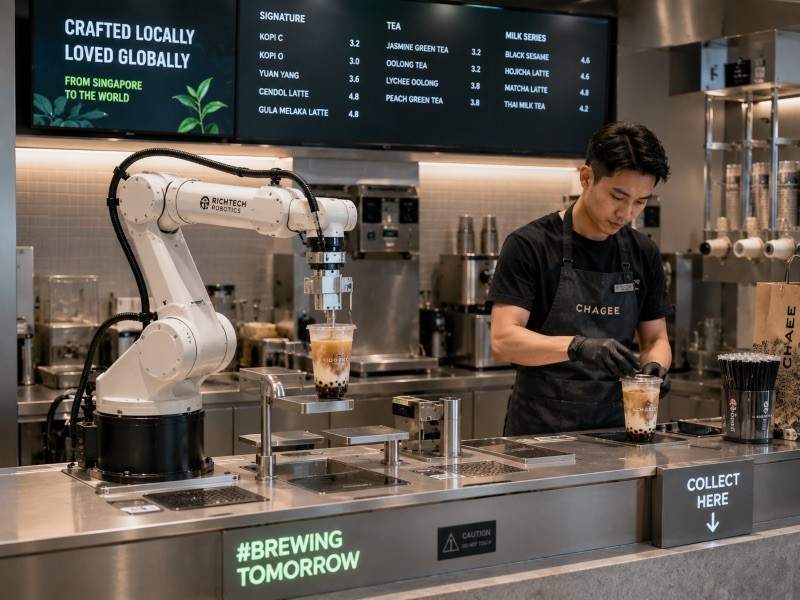
Example 1 , Small coffeeshop introduces self-order kiosks and a robotic milk frother. The owner reduces three part-time barista shifts (two S Pass holders). The employer:
- reviews contracts and provides notice compliant with the Employment Act;
- cancels or does not renew S Passes with MOM after finalising leave and exit arrangements;
- arranges IR21 tax clearance if required and settles final salary and leave pay;
- complies with PDPA for camera data and WSHA for the robotic equipment.
Example 2 , Mid-sized restaurant replaces manual dishwashing with automated units, retrains local staff to operate machines, and applies for SkillsFuture funding for training courses. The employer keeps strong documentation of retraining to demonstrate fair employment practices.
How an experienced consultant can help
Engaging an experienced immigration and employment consultant can reduce risk and speed implementation. A consultant can:
- interpret MOM guidance and EFMA requirements specific to your workforce;
- manage pass cancellations, IR21 tax clearance coordination, and payroll adjustments;
- advise on PDPA, WSH and WICA implications for new equipment;
- assist with redeployment, retraining strategy and access to government upskilling grants;
- help document processes to demonstrate compliance under the Employment Agencies Act, Employment Act and related regulations.
Little Big Employment Agency can assist with application, compliance and advisory support for these steps, from pass management through to retrenchment processes and redeployment plans.
Frequently Asked Questions
Q: Can I replace S Pass holders with machines immediately?
A: You must observe contractual notice periods and employment law obligations. Promptly notify MOM of cancellations or non-renewals and ensure tax clearance and final payments are completed. Sudden dismissals without compliance can lead to disputes.
Q: Do I still need WICA and WSHA compliance after automation?
A: Yes. Automation introduces different safety risks. Employers must maintain WICA coverage for employees and ensure automated equipment meets workplace safety standards under WSHA.
Q: Are CPF contributions payable for S Pass holders?
A: Generally, CPF contributions are payable only for Singapore citizens and permanent residents. Foreign S Pass holders are exempt while they remain non-residents for CPF purposes. Confirm employee status before making any CPF adjustments.
Q: What about employee data collected by automated systems?
A: Any personal data collected through automation (CCTV, facial recognition, ordering history) must be handled in accordance with PDPA. Ensure proper consent, retention and access controls.
Key takeaways
- Automation can improve productivity in F&B, but it does not remove statutory employer obligations.
- Plan workforce changes carefully: review contracts, follow termination and tax clearance procedures, and notify MOM as required.
- Address PDPA, WICA and WSHA implications when deploying automated equipment.
- Consider retraining and redeployment to retain local talent and optimise costs; make use of government upskilling support.
- Work with a qualified consultant to reduce compliance risk and manage pass and payroll processes effectively.
Requirements may change, so always check the latest guidance from MOM, or consult a professional adviser.
If you would like to find out more about how Little Big Employment Agency can assist with your employment and immigration requirements, please get in touch with the team at [email protected].
Yours sincerely,
The editorial team at Little Big Employment Agency
Disclaimer: This does not constitute legal advice. If you require legal advice, please contact a lawyer.
Real people. Right here in Singapore.