
Insights for work and life.
The Ethics of Monitoring Employees: How Far is Too Far?
Introduction
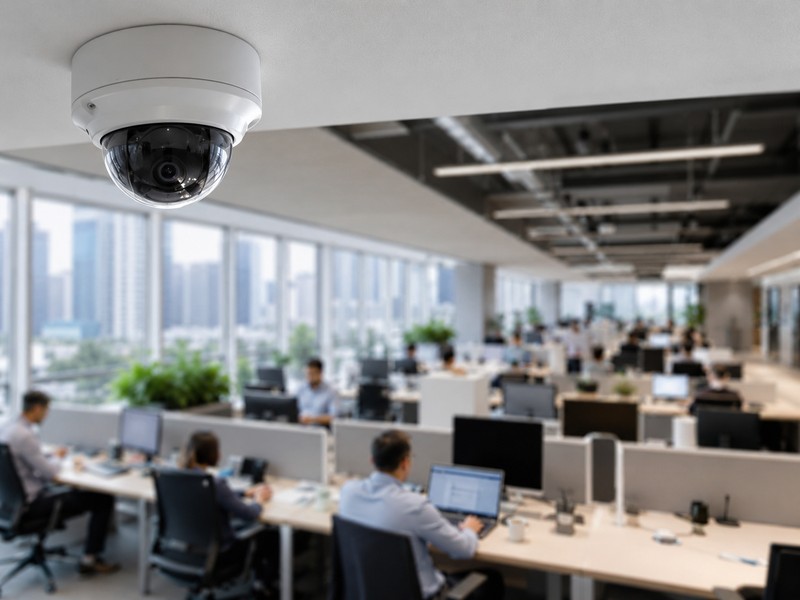
The Ethics of Monitoring Employees: How Far is Too Far? is a timely question for Singapore employers balancing business needs with employee privacy. Employers increasingly use CCTV, email and device monitoring, GPS tracking and other tools , but where do ethical and legal limits lie?
This article explains the practical and legal considerations employers should weigh in Singapore, including PDPA, Employment Act obligations, CPF and payroll implications, and other regulatory touchpoints. It outlines clear steps to design proportionate monitoring that respects privacy and reduces legal risk.
Who this applies to
This guidance is relevant to employers, HR professionals, company directors, in-house counsel and employment agencies operating in Singapore , including those using ACRA BizFile+, payroll through IRAS myTax Portal, or managing foreign employees under the Employment of Foreign Manpower Act.
It applies across employment types: permanent staff, contract workers, foreign employees on Employment Passes, S Passes or Work Permits, and agency-placed staff governed by the Employment Agencies Act.
Key rules and requirements in Singapore
Employee monitoring touches several Singapore laws and policy areas. Key points employers should consider include:
- Data protection (PDPA): The Personal Data Protection Act governs collection, use and disclosure of personal data. Employers should have a lawful purpose, minimise data collection, secure data and implement retention limits.
- Employment law (Employment Act & other statutes): Monitoring must not undermine statutory entitlements under the Employment Act, CPF Act, or interfere with lawful rest breaks, hours of work or remuneration reporting to IRAS.
- Workplace safety and evidence (WSH Act, Work Injury Compensation Act): Surveillance used for safety is legitimate, but employers should ensure footage is handled appropriately if it becomes evidence in an incident.
- Electronic communications and harassment (POHA): Monitoring that intercepts communications must be cautious around matters that may involve online harassment or protected content.
- Foreign manpower rules: Monitoring of foreign employees should respect conditions under the Employment of Foreign Manpower Act and not contravene work pass conditions.
- Contractual and policy obligations: Employment contracts and staff handbooks should clearly set out surveillance practices, acceptable use policies and disciplinary processes.
In all cases, transparency, proportionality and documented rationale are essential. Requirements may change, so always check the latest guidance from MOM, or consult a professional adviser.
Step-by-step process
Follow a structured approach when introducing or reviewing monitoring measures.
- Identify the legitimate purpose: safety, asset protection, regulatory compliance or performance management.
- Assess necessity and proportionality: choose the least intrusive method that meets the purpose.
- Map data flows: what personal data is collected, how it is stored, who has access and where it is retained (on-premise or cloud).
- Update policies and contracts: reflect monitoring practices in employment contracts, staff handbooks and IT acceptable use policies.
- Notify employees: provide clear notices and obtain consent where required; explain purpose, retention and access rights under PDPA.
- Implement technical and organisational safeguards: encryption, access controls, audit logs and limited retention periods.
- Train managers: ensure supervision and disciplinary action respect privacy and fairness principles.
- Review periodically: reassess measures against evolving laws, technology and business needs (Financial Year End reviews can be a useful trigger).
Common mistakes to avoid
Employers often make avoidable errors when implementing monitoring.
- Lack of transparency: failing to notify staff or explain monitoring purposes undermines trust and PDPA obligations.
- Over-collection: capturing more personal data than needed (for example, installing cameras in private areas) increases legal risk.
- Poor security: inadequate safeguards leading to unauthorised access or data breaches.
- No retention policy: retaining footage or logs indefinitely without a documented reason.
- Ignoring sector-specific rules: not aligning monitoring with MOM guidance or other regulatory obligations for certain industries.
Practical examples
Below are common scenarios and balanced approaches.
- CCTV in warehouses: justified for safety and asset protection. Avoid blind spots that capture toilets or changing rooms. Post clear notices and limit retention to what is necessary for incident investigation.
- Email and internet monitoring: proportionate if for security or to prevent unauthorised disclosure. Implement acceptable use policies and notify staff. Ensure monitoring focuses on business accounts rather than personal devices where feasible.
- GPS in company vehicles: reasonable for fleet management and safety; ensure employees know when tracking is active (work hours only) and access to location data is strictly limited.
- Keystroke logging or constant screen capture: highly intrusive and generally unnecessary for routine performance management; use only where there is a clear, documented risk and with legal advice.
- BYOD (Bring Your Own Device): balance employer security needs with employee privacy, implement Mobile Device Management and segregate corporate data.
How an experienced consultant can help
An experienced immigration and employment consultant can assist with policy design, regulatory mapping and implementation so monitoring aligns with Singapore law and best practice.
- Draft and review monitoring policies and employment contract clauses for PDPA compliance.
- Advise on sector-specific obligations under MOM, Workplace Safety and Health Act, Work Injury Compensation Act and relevant statutes.
- Coordinate cross-border data transfers and cloud storage safeguards if data is stored outside Singapore.
- Provide compliance training for managers and support HR in handling disciplinary matters fairly and legally.
- Support payroll and reporting implications to IRAS and CPF processes where monitoring affects work hours or overtime claims.
Little Big Employment Agency can provide advisory support, policy templates and compliance checks tailored to your organisation’s needs.
Frequently Asked Questions
Can I install CCTV in my workplace without telling employees?
Employers should be transparent. Notice of CCTV monitoring should be provided, and cameras should not intrude on private spaces such as toilets or changing rooms. Follow PDPA principles of purpose limitation and proportionality.
Does PDPA require employee consent for monitoring?
PDPA requires organisations to have a lawful purpose and to inform individuals about the collection, use and disclosure of their personal data. Whether explicit consent is needed depends on context; employers should provide clear notices and consider obtaining consent where appropriate.
Can monitoring be used as evidence in disciplinary or criminal matters?
Yes, footage or logs may be used as evidence. Ensure chain-of-custody, secure storage and lawful handling, especially where evidence may be required under the Work Injury Compensation Act or criminal investigations.
Are there limits on monitoring foreign workers compared with local employees?
Monitoring must be lawful and proportionate for all employees. Ensure monitoring does not conflict with work pass conditions under the Employment of Foreign Manpower Act and that agency-placed workers under the Employment Agencies Act are treated fairly and informed of surveillance.
Key takeaways
- Balance legitimate business interests (safety, security, compliance) with employee privacy and dignity.
- Follow PDPA principles: purpose limitation, minimisation, security and retention limits.
- Be transparent: update contracts, policies and provide clear employee notices.
- Use proportionate technical measures and limit access to collected data.
- Review monitoring practices regularly and seek professional advice when in doubt.
Requirements may change, so always check the latest guidance from MOM, or consult a professional adviser.
If you would like to find out more about how Little Big Employment Agency can assist with your employment and immigration requirements, please get in touch with the team at [email protected].
Yours sincerely,
The editorial team at Little Big Employment Agency
Disclaimer: This does not constitute legal advice. If you require legal advice, please contact a lawyer.
Real people. Right here in Singapore.