
Insights for work and life.
How Dual Nationals Apply for Singapore Permanent Residency: A Practical Guide 2026
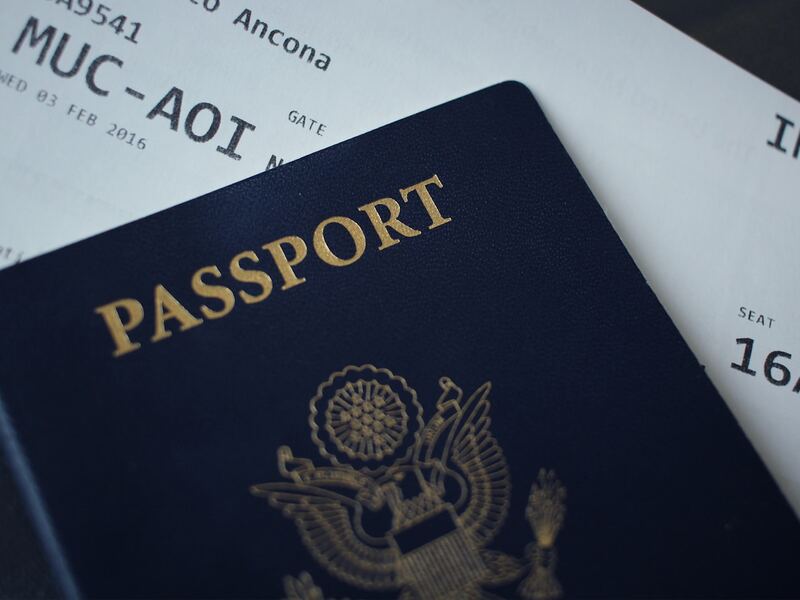
Roughly one in five Employment Pass holders in Singapore holds citizenship of more than one country. If you are among them and considering a permanent residency application, the first thing to know is this: holding two passports does not disqualify you from Singapore PR. The Immigration and Checkpoints Authority (ICA) assesses PR applications on holistic merit , salary, employment continuity, family ties, age, and economic contribution , and additional nationalities are not penalised in that assessment.
What does matter, however, is how you handle the dual nationality question during and after your application. Failure to declare all nationalities is a ground for rejection or , more seriously , for revocation of an approved PR after the fact. This guide walks through every practical step a dual national Singapore PR applicant must follow in 2026.
Dual Nationality and Singapore PR: Clearing Up the Confusion
Singapore does not permit dual citizenship , but dual nationals can become PRs
Singapore’s position on citizenship is unambiguous: you cannot simultaneously be a Singapore citizen and a citizen of another country. If you are granted Singapore citizenship, you must renounce all foreign citizenships before or at the citizenship ceremony.
Permanent residency is a different legal status. There is no requirement to renounce your foreign citizenship when you become a Singapore PR. Dual nationals routinely hold Singapore PR while maintaining their foreign passport. The distinction matters enormously: applying for PR as a dual national is procedurally straightforward; the renunciation obligation only arises if you later apply for Singapore citizenship.
For a full overview of how PR fits into Singapore’s immigration framework , including the PTS, Family Ties and Global Investor Programme pathways , see the Complete Singapore PR Pathway Guide 2026.
ICA’s holistic assessment: how dual nationality factors in
ICA does not publish the relative weightings of individual factors in the PR assessment, and there is no COMPASS-style scoring matrix for PR. What ICA has confirmed is that nationality count is not among the explicit negative factors. In practice, dual nationality creates administrative considerations , most of them manageable , rather than substantive merit issues.
ICA Application Requirements: What Dual Nationals Must Do Differently
Declare all nationalities , no exceptions
The ICA e-PR application form asks for your nationality and travel document details. If you hold two or more citizenships, you must declare all of them. Do not list only the passport you used to enter Singapore or only the one tied to your Employment Pass.
Non-disclosure of a nationality , even if inadvertent , is a serious problem. ICA cross-references application data with MOM, ACRA and immigration records from partner countries. Omissions identified after approval can result in revocation. When preparing your submission, ensure your PR application document bundle includes biographical pages from all passports you currently hold.
Passport consistency at Singapore checkpoints
ICA maintains travel records. If you have been entering and exiting Singapore consistently on one passport , typically the one tied to your Employment Pass , your travel history is associated with that document. Switching passports partway through your Singapore residency creates a gap in your ICA travel record that may require explanation. Best practice: use the same passport for all Singapore entries and exits throughout your residency period, and certainly for the duration of your PR application.
Employment records must be coherent across both nationalities
If you have worked internationally under both passports, ensure your CV, employer reference letters and CPF contribution history are internally consistent. Your Singapore income tax assessments from IRAS should all reflect the same professional identity regardless of which travel document was used in a given jurisdiction.
Country-Specific Considerations for Dual National PR Applicants
Indian nationals and OCI card holders
Indian law does not permit its citizens to hold dual citizenship. Many Indian nationals, however, hold an Overseas Citizen of India (OCI) card , a long-term residency document issued to persons of Indian origin who are citizens of other countries. OCI holders are not dual citizens under Indian law.
If you are applying for Singapore PR as an Indian citizen who also holds foreign nationality (which technically means you have already renounced Indian citizenship), ensure your documentation accurately reflects your current citizenship status. Should you later apply for Singapore citizenship, renunciation of Indian citizenship via the Indian High Commission in Singapore typically takes one to three months.
Malaysian nationals
Malaysian law does not permit dual citizenship. Most Malaysian EP holders in Singapore travel on a single Malaysian passport. The question of dual nationality typically arises for Malaysian-born individuals who acquired a second citizenship at birth in a country that grants birthright citizenship. If this applies to you, seek specific legal advice on your Malaysian citizenship status before applying for Singapore PR. For those who later apply for Singapore citizenship, the Malaysian IC surrender process typically takes three to six months.
US, UK and European nationals
Citizens of many Western countries lawfully hold dual citizenship. For Singapore PR purposes, such individuals simply need to declare both citizenships and maintain consistent travel records.
One additional consideration for US citizens: the United States taxes its citizens on worldwide income regardless of where they reside. Becoming a Singapore PR does not alter your US tax filing obligations , FBAR, FATCA, and annual Form 1040 filings remain required. This has no bearing on your ICA PR assessment, but it is a significant post-approval administrative matter to plan for.
National Service Obligations for Male Dual Nationals
This is a pivotal consideration for families relocating to Singapore with sons under the age of 21. Under the Enlistment Act, male persons who are Singapore PRs are liable for National Service (NS), with enlistment typically occurring at age 18. If a male dual national becomes a Singapore PR before age 18, he becomes subject to NS obligations. This is often the deciding factor for families choosing between PR status and a long-term work pass arrangement for their children.
Deferments are available for full-time study, but NS liability remains until it is completed or the individual renounces Singapore PR. Our guide on the 24–36 month journey from Singapore PR to citizenship covers NS and post-PR citizenship considerations in full.
Renouncing Foreign Citizenship When You Later Apply for Singapore Citizenship
If, after receiving Singapore PR, you decide to apply for Singapore citizenship, the renunciation of all foreign citizenships is mandatory. Per ICA’s citizenship guidelines, documentary evidence of renunciation must be presented at the citizenship confirmation appointment.
Renunciation timelines vary by home country: India (one to three months), Malaysia (three to six months), United Kingdom (six to eight weeks), European Union countries (two months to twelve months depending on nationality), and the United States (several months; note that US renunciation is irrevocable and carries significant tax implications requiring specialist advice). For a step-by-step walkthrough of this process, see our dedicated guide on renouncing foreign citizenship to become a Singaporean.
What Your PR Approval Odds Look Like as a Dual National
Approval odds for Singapore PR depend primarily on ICA’s holistic assessment of your economic contribution, family ties, and integration into Singapore , not your nationality count. For data-driven context, our analysis of Singapore PR approval odds by salary band in 2026 shows that EP holders in the S$8,000–S$12,000 monthly salary range with three or more years of continuous Singapore employment represent the strongest cohort of first-time PR applicants, with independent approval-rate estimates of 40–55% for well-prepared files.
Recommended Pre-Application Steps for Dual Nationals
- Confirm your citizenship status in each country. Verify that each of your home countries recognises you as a current citizen and that this status is compatible with your Singapore PR application.
- Audit your Singapore checkpoint travel records. Review your entry and exit stamps across all passports. If you have used more than one passport at the checkpoint, document the dates in a supporting letter.
- Ensure employment and tax records are internally consistent. Your CPF history, employer records and IRAS tax assessments should reflect one coherent professional history.
- Research renunciation timelines if you plan to pursue citizenship. Build the expected renunciation window into your post-PR planning timeline.
- Engage a MOM-licensed immigration adviser. ICA does not provide pre-application consultations, and the holistic assessment process offers no explanations for decisions. Professional guidance reduces the risk of avoidable errors in your submission.
At Singapore Employment Agency , the consumer brand of Little Big Employment Agency Pte Ltd (MOM Licence 19C9790) , we advise both individual EP holders and corporate HR teams on PR application strategy, document preparation and post-approval steps. Where your PR journey intersects with incorporation, accounting or corporate secretarial needs, our sister firm Raffles Corporate Services provides full support.
, The Editorial Team, Little Big Employment Agency
Real people. Right here in Singapore.