
Insights for work and life.
Singapore citizenship and oath ceremony , Eligibility and requirements checklist
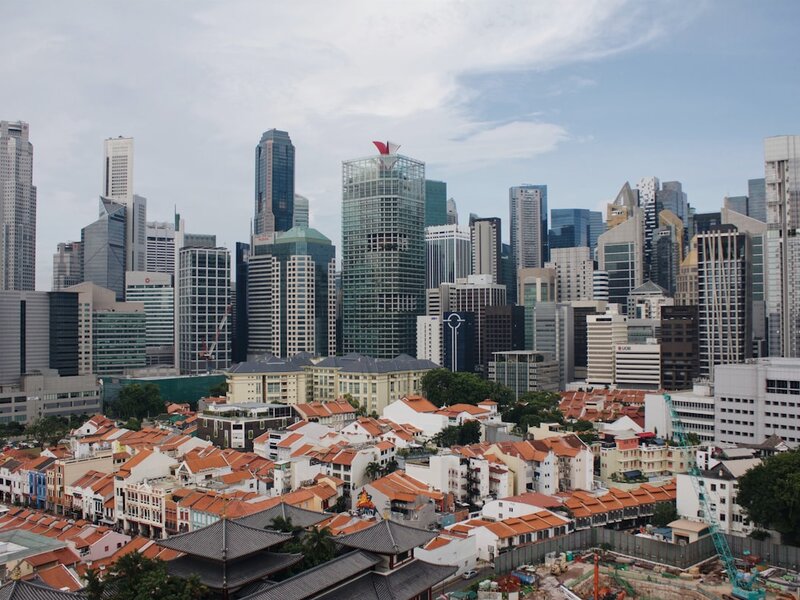
Singapore citizenship and the oath ceremony are the final stages of naturalisation: after the Immigration & Checkpoints Authority approves a citizenship application, the applicant renounces prior citizenship where required, takes the Oath of Renunciation, Allegiance and Loyalty, and collects the citizenship certificate and pink identity card. This guide sets out eligibility, documents and the ceremony process.
What Singapore citizenship and the oath ceremony are
Singapore citizenship and the oath ceremony mark the conclusion of the naturalisation process administered by the Immigration & Checkpoints Authority. Citizenship by registration is provided for under the Constitution of the Republic of Singapore, and Article 122 addresses registration of citizens. Once an application is approved in principle, the applicant completes formalities including renunciation of any previous citizenship where the home country requires it, and then attends a ceremony to take the Oath of Renunciation, Allegiance and Loyalty before receiving the citizenship certificate and, subsequently, the pink Singapore identity card.
Who can apply
Applicants are typically Singapore Permanent Residents who have held PR status for a qualifying period and meet residence, character and, for some, national-service considerations. Spouses of Singapore citizens, and children of citizens, follow specific routes. Long-term residents planning the move often review the tax and structuring position first; see our guide to Singapore tax incentives and the BIPS scheme and, for those still holding corporate interests abroad, converting a foreign branch to a Singapore subsidiary. For a full cost picture, read our companion on the citizenship and oath ceremony costs and fees.
Eligibility and requirements checklist
Documentation is assembled at application and again confirmed before the ceremony.
- Approval-in-principle letter from the Immigration & Checkpoints Authority
- Valid passport and current Permanent Resident entry permit
- Birth and marriage certificates as applicable
- Renunciation documents from the previous country of citizenship, where required
- Recent photographs meeting ICA specifications
- Evidence of completed formalities fees
Where the applicant’s home country does not permit dual citizenship, proof of renunciation or a declaration is generally required before the citizenship certificate is issued, because Singapore does not recognise dual citizenship for adults.
The oath ceremony process
After approval, the applicant is invited to complete three linked steps. First, the collection of the approval documents and completion of any renunciation. Second, attendance at the citizenship ceremony, usually organised at the community or grassroots level, where the applicant takes the Oath of Renunciation, Allegiance and Loyalty. Third, collection of the citizenship certificate and registration for the pink identity card. Minor children included in the application are registered as citizens alongside the principal.
Cost, timeline and processing benchmarks
The Immigration & Checkpoints Authority charges administrative fees for the citizenship formalities, and a further fee applies for the identity card issuance; applicants should verify current amounts on the ICA website as they are periodically revised. From approval-in-principle to the ceremony, the completion of formalities typically takes several weeks to a few months, depending on renunciation timelines with the previous country, which can be the longest single step. National-service obligations, where relevant, are considered as part of the overall assessment.
Common mistakes and gotchas
The most common delay is the renunciation step, because foreign consulates set their own processing times. Others include photographs that do not meet ICA specifications, expired travel documents, and failing to update employers or the Central Provident Fund records after the status change. Because Singapore does not recognise dual citizenship for adults, retaining a foreign passport after naturalisation can create legal complications. Raffles Corporate Services and Little Big Employment Agency work with a panel of corporate and employment law firms; this article is general information, not legal advice.
Official references
Primary sources for this topic include the Immigration & Checkpoints Authority, the Singapore Economic Development Board and the Ministry of Manpower. Always confirm current figures and rules against these official sources.
FAQs
Does Singapore allow dual citizenship?
No. Singapore does not recognise dual citizenship for adults. Where the previous country requires it, applicants must renounce their prior citizenship before the citizenship certificate is issued.
What oath is taken at the ceremony?
Applicants take the Oath of Renunciation, Allegiance and Loyalty, formally renouncing prior allegiances and pledging loyalty to Singapore, before receiving the citizenship certificate.
How long does the process take after approval?
From approval-in-principle to the ceremony usually takes several weeks to a few months. The renunciation of previous citizenship is often the longest step, as it depends on the former country’s consular timelines.
Are children included automatically?
Minor children included in a successful application are registered as citizens alongside the principal applicant, subject to the relevant documentation.
Need help with this? Call, SMS or WhatsApp +65 8501 7133, or email [email protected]. Little Big Employment Agency (EA Licence 19C9790) works with a panel of corporate and employment law firms; this article is general information, not legal advice.
Real people. Right here in Singapore.