
Insights for work and life.
Healthcare for expats , Integrated Shield, private cover , Eligibility and requirements checklist
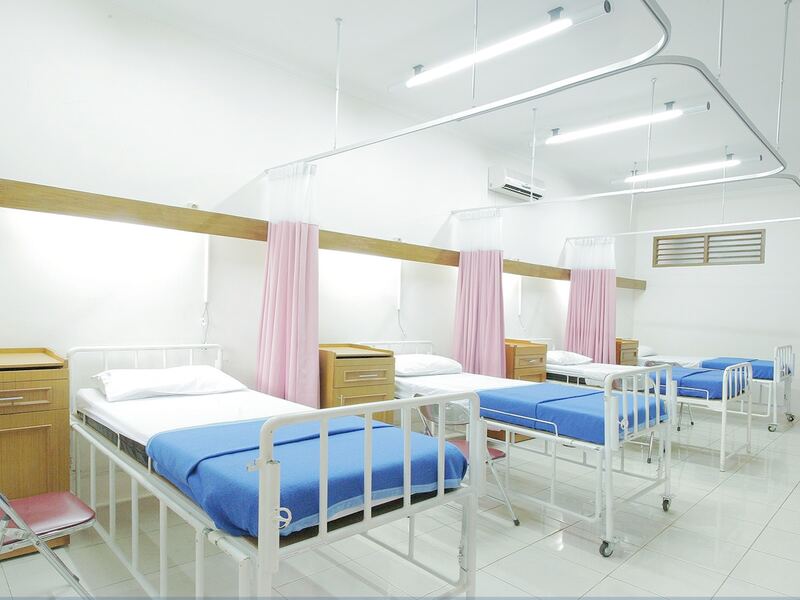
Healthcare for expats in Singapore combines a world-class hospital system with a choice between public subsidised care, Integrated Shield Plans for residents and private international insurance. This guide explains eligibility, the cover options, indicative costs and the documents a family relocating to Singapore should organise in 2026.
How healthcare for expats works in Singapore
Healthcare for expats rests on a simple distinction: residents (citizens and permanent residents) are integrated into the national financing system built around MediSave, MediShield Life and MediSave-approved Integrated Shield Plans, while work-pass holders and their families who are not permanent residents rely on employer cover or private international health insurance. The public system, overseen by the Ministry of Health, delivers high-quality care, but non-residents pay unsubsidised rates in public hospitals.
Most Employment Pass families therefore hold private hospitalisation and outpatient cover, either through the employer or arranged privately, to bridge the gap.
Eligibility and cover options
Permanent residents can buy an Integrated Shield Plan, which sits on top of MediShield Life and is partly payable from MediSave, the national medical savings scheme governed under the Central Provident Fund framework. Work-pass holders who are not PRs cannot access MediShield Life and instead choose private local plans or international private medical insurance, the latter offering wider geographic cover useful for globally mobile families.
Employers of foreign workers must provide a statutory minimum level of medical insurance, but that floor is usually well below what a family needs, so top-up cover is standard.
Documents and information required
To arrange cover you will generally need: passports and pass details for each family member; a completed health-declaration or medical-questionnaire; details of any pre-existing conditions; and, for employer schemes, the offer letter or HR enrolment form. For claims, keep original invoices, referral letters and discharge summaries.
Guidance from the Ministry of Health explains the public-sector fee structure, while the Central Provident Fund Board sets out how MediSave and MediShield Life operate for residents.
Cost benchmarks
Indicative annual premiums vary widely with age and scope. A comprehensive international private medical plan for a family of four commonly ranges from S$8,000 to S$25,000 a year, while a resident’s Integrated Shield Plan with riders is typically several hundred to a few thousand dollars per person. A specialist consultation in a private setting runs roughly S$150 to S$350, and a day surgery can reach five figures without insurance.
The financial risk of being uninsured is real: unsubsidised private hospitalisation can escalate quickly, so cover should be in place before arrival where possible.
Common mistakes and practical tips
The recurring errors are relying solely on the employer’s minimum cover, failing to declare pre-existing conditions (which can void claims), and leaving a gap between the old home-country policy lapsing and the new Singapore cover starting. Arrange cover to commence on your arrival date, and confirm whether maternity, dental and mental-health benefits are included.
Families planning a longer stay should coordinate healthcare with the wider relocation and, where relevant, wealth structuring; see our relocation checklist for newly approved EP holders, our note on family office MAS approval and annual review, and our guide on moving to Singapore as a high-net-worth individual.
Step-by-step process
- Assess your status: resident (eligible for MediShield Life and an Integrated Shield Plan) or non-resident work-pass holder.
- Review any employer-provided medical cover and identify the gaps to top up.
- Complete the health declaration and disclose any pre-existing conditions honestly.
- Choose between a resident Integrated Shield Plan or international private medical insurance for a globally mobile family.
- Arrange for cover to commence on your arrival date to avoid a gap.
- Confirm inclusion of maternity, dental and mental-health benefits where needed.
- Keep invoices, referral letters and discharge summaries for claims.
FAQs
Can Employment Pass holders access subsidised public healthcare?
Generally no. Non-resident work-pass holders pay unsubsidised rates in public hospitals and cannot join MediShield Life, so private hospitalisation cover is the norm for EP families.
What is the difference between an Integrated Shield Plan and international insurance?
An Integrated Shield Plan is for residents and sits on top of MediShield Life, partly payable from MediSave. International private medical insurance is available to non-residents and typically offers broader geographic cover for globally mobile families.
When should our health cover start?
Arrange for cover to begin on your arrival date to avoid a gap when a home-country policy lapses. Declare any pre-existing conditions honestly, as non-disclosure can void future claims.
Need help with this? Call, SMS or WhatsApp +65 8501 7133, or email [email protected]. Little Big Employment Agency (EA Licence 19C9790) works with a panel of corporate and employment law firms; this article is general information, not legal advice.
Real people. Right here in Singapore.