
Insights for work and life.
Healthcare for expats , Integrated Shield, private cover , Complete 2026 guide
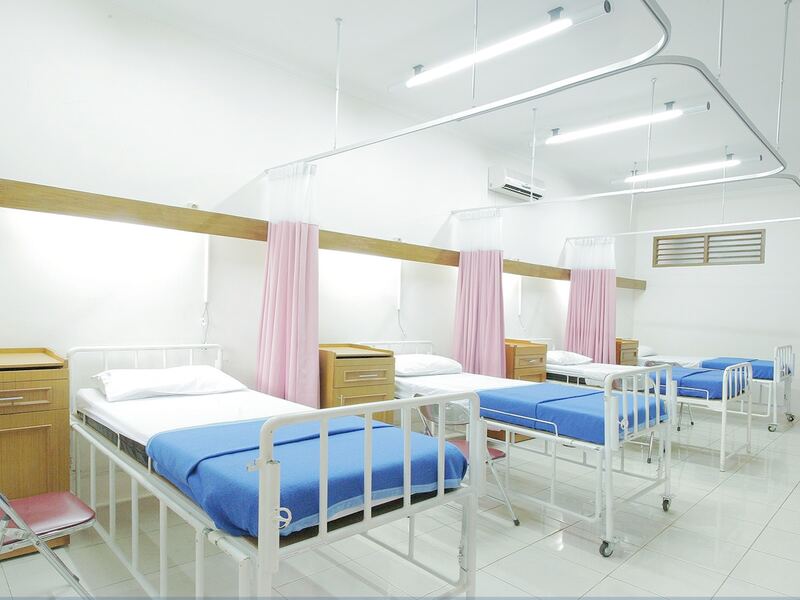
Healthcare for expats in Singapore means arranging private health insurance, because foreigners on work passes are generally not covered by the national MediShield Life scheme, which is reserved for citizens and Permanent Residents. For families relocating to Singapore from overseas in 2026, getting healthcare for expats right , employer cover, private hospital insurance and, for those who become PRs, an Integrated Shield Plan , is essential before anyone falls ill.
Little Big Employment Agency (EA Licence 19C9790) works with a panel of corporate and employment law firms; this article is general information, not legal advice.
What healthcare for expats looks like
Singapore’s health system blends public and private care to a very high standard. The national insurance layer, MediShield Life, is established under the MediShield Life Scheme Act 2015 and automatically covers Singapore citizens and Permanent Residents , but not foreigners on Employment Passes, S Passes or Dependant’s Passes. Healthcare providers are regulated under the Healthcare Services Act 2020. For expats, this means cover comes from a combination of employer-provided group insurance and private health insurance, rather than the national scheme.
Who needs what cover
Work-pass holders and their families on Dependant’s Passes typically rely on employer group medical cover plus a private hospitalisation policy. Permanent Residents are enrolled in MediShield Life and can add an Integrated Shield Plan for private-hospital or higher-ward cover. Families relocating together should confirm the cover the employer provides and fill any gaps with private cover before arrival. Our complete relocation guide for families sets the wider context, and the cross-group incorporation and residency notes help if a family member is also setting up a company.
Employer cover, private insurance and Integrated Shield Plans
There are three layers to understand:
- Employer group cover. Most professional employers provide outpatient and hospitalisation cover; the scope varies, so read the policy schedule for limits and exclusions.
- Private health insurance. Expats commonly buy an individual or family private hospitalisation plan , international plans offer wide cover (sometimes including evacuation and treatment abroad); local plans are usually cheaper and Singapore-focused.
- Integrated Shield Plans. Available to citizens and Permanent Residents, these sit on top of MediShield Life to fund private hospitals or higher wards. Work-pass holders are not eligible until they become PRs.
Cost and what to budget
Indicative figures for 2026 , premiums vary widely by age, cover and insurer, so treat these as planning ranges:
- GP consultation: roughly S$40–S$120 at private clinics.
- Specialist consultation: roughly S$120–S$250 before any insurance.
- Private health insurance: family international plans can run into the thousands of Singapore dollars per year; local plans are typically lower.
- Public hospital care: available to foreigners but at unsubsidised rates , bills can be substantial without insurance, which is why cover matters.
Because work-pass holders pay unsubsidised rates in public hospitals and are not covered by MediShield Life, an uninsured hospital stay can be very expensive , comprehensive private cover is the practical safeguard.
Step-by-step: arranging healthcare on arrival
First, confirm exactly what your employer’s group policy covers , outpatient, hospitalisation, dental, maternity and any caps. Second, identify the gaps for you and your family. Third, buy a private hospitalisation plan to fill those gaps, comparing local and international options. Fourth, register with a convenient GP clinic for routine care. Fifth, if you later obtain Permanent Residence, you will be enrolled in MediShield Life and can add an Integrated Shield Plan; review your private cover at that point to avoid duplication. Keep your immigration status current with ICA, since it determines your eligibility for the national schemes.
Common mistakes and gotchas
The biggest mistake is assuming Singapore’s national insurance covers you , it does not, unless you are a citizen or PR under the MediShield Life Scheme Act 2015. A second is relying solely on employer cover, which often has low caps and ends when employment ends. A third is delaying private cover until after a medical issue arises, when pre-existing conditions may be excluded. A fourth is, for new PRs, paying twice by keeping a full international plan and an Integrated Shield Plan without reviewing overlap. Finally, families sometimes overlook maternity and dependant cover, which are common gaps in basic policies.
Useful official resources and related guides
Confirm your residency status with ICA, since it drives scheme eligibility; new arrivals settling into housing can check rules with HDB, and for getting around to appointments see the Land Transport Authority. For the wider move, read our family relocation guide and the cross-group residency and incorporation notes.
Public versus private care explained
Singapore has both excellent public hospitals and a large private sector. Public hospitals deliver high-quality care, but foreigners pay unsubsidised rates because subsidies are reserved for citizens and Permanent Residents. Private hospitals offer shorter waits, choice of specialist and more comfortable wards at higher cost. For expats, the practical model is to use private GPs and clinics for everyday care and to rely on insurance for any hospital admission, whether public or private.
What to check in an employer policy
Employer group cover varies widely. Read the policy schedule for the annual limit, the room-and-board ward entitlement, outpatient and specialist cover, and exclusions. Common gaps include low overall caps, limited or excluded maternity cover, minimal dental, and a hard stop when employment ends. Knowing these gaps before you need care lets you fill them with personal cover rather than discovering them at the hospital cashier.
Maternity, dental and chronic conditions
Three areas catch families out. Maternity cover often has waiting periods and sub-limits, so plan well ahead if a pregnancy is likely. Dental is frequently excluded or capped and may need a separate rider. Chronic and pre-existing conditions are commonly excluded from new private policies, which is why buying cover before a condition arises matters so much , waiting until treatment is needed usually means it will not be covered.
Tax, healthcare spending and planning
Work-pass holders do not contribute to the Central Provident Fund and so have no MediSave account to draw on for medical bills; that national savings layer is for citizens and Permanent Residents. Expats therefore meet healthcare costs from income and insurance. If you are also setting up a business or structuring remuneration, the tax treatment of benefits and insurance can be worth planning; our cross-group note on seeking certainty from IRAS through an advance ruling is a useful starting point for complex cases.
Becoming a Permanent Resident: MediShield Life and Integrated Shield Plans
If you obtain Permanent Residence, you are enrolled in MediShield Life under the MediShield Life Scheme Act 2015 and gain access to subsidised public care and to Integrated Shield Plans that top up cover for private hospitals or higher wards. At that point, review any international private policy you hold to avoid paying twice for overlapping cover, and decide whether to keep a slimmed-down private plan alongside your Integrated Shield Plan.
Finding a GP and a specialist
For everyday illnesses, register with a convenient private GP clinic near home or work; many offer online booking and short waits. GPs handle routine care, refer to specialists where needed, and issue medical certificates. For specialist care, you can often see a private specialist directly, though insurance terms may require a referral for cover. Building a relationship with a regular GP early means you are not searching for care when someone is unwell.
Emergencies and where to go
For genuine emergencies, public hospital accident-and-emergency departments provide the highest level of acute care, and the emergency ambulance number is 995. For urgent but non-life-threatening issues outside clinic hours, some private hospitals and urgent-care clinics offer after-hours services. Know the nearest hospital to your home before you need it, and keep your insurance details and any important medical information accessible to your family.
An insurance shopping checklist
When comparing private plans, look beyond the premium: check the annual and lifetime limits, the ward or hospital entitlement, outpatient and specialist cover, maternity and dental, the treatment of pre-existing conditions, geographic scope (Singapore-only versus international), and whether evacuation is included. For families, confirm that dependants and maternity are adequately covered. Buy before any condition arises, since pre-existing conditions are commonly excluded from new policies.
Vaccinations and family health
Singapore maintains high public-health standards, and families relocating with children should align school-entry vaccination requirements and routine immunisations early. Pharmacies are widely available for everyday medicines, though some require a prescription. Keeping your family’s vaccination records and medical history organised on arrival smooths school enrolment and any specialist care your family may need.
FAQs
Are expats covered by MediShield Life?
No. MediShield Life, under the MediShield Life Scheme Act 2015, covers Singapore citizens and Permanent Residents only. Work-pass holders rely on employer cover and private insurance.
What is an Integrated Shield Plan and can I get one?
An Integrated Shield Plan tops up MediShield Life to fund private hospitals or higher wards. It is available to citizens and PRs; work-pass holders become eligible only after obtaining Permanent Residence.
How much does private health insurance cost?
Premiums vary widely by age, cover and insurer. Family international plans can run into the thousands of Singapore dollars a year, while Singapore-focused local plans are usually cheaper.
Is employer medical cover enough?
Often not on its own. Group policies can have low caps, limited outpatient or maternity cover, and they end when employment ends, so most expats add a private hospitalisation plan.
What does it cost to see a doctor without insurance?
Roughly S$40–S$120 for a private GP and S$120–S$250 for a specialist before insurance. Public hospital care is available to foreigners but at unsubsidised, potentially high, rates.
Need help with this? Call, SMS or WhatsApp +65 8501 7133, or email [email protected]. Little Big Employment Agency (EA Licence 19C9790) works with a panel of corporate and employment law firms; this article is general information, not legal advice.
Real people. Right here in Singapore.