
Insights for work and life.
Cost of living for expat families: Common mistakes and rejection reasons
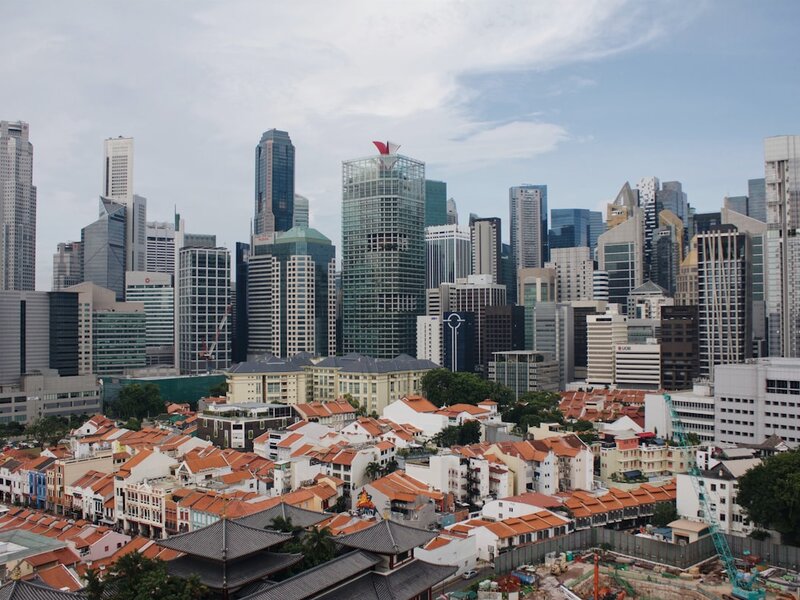
The cost of living for expat families in Singapore is usually underestimated on housing and school fees and overestimated on groceries, and that mismatch is what causes the budgeting mistakes, tenancy rejections and mid-year financial strain this guide sets out to help families avoid before they commit to a lease or a school place.
What “cost of living for expat families” actually covers
For a typical family of four settling into Singapore life, total monthly outgoings commonly range from S$8,000 to S$14,000, before international school fees for more than one child push the figure higher. The three largest and most volatile line items are housing, education and domestic help, in that order, and each is governed by a different set of rules and timelines that a family arriving with a single “monthly budget” number tends to miss.
Who this is for
This guide is written for expat families relocating to Singapore on an Employment Pass, S Pass or accompanying Dependant’s Pass, who are budgeting for the first twelve months and trying to reconcile a headline salary offer against the actual cost of housing, schooling, healthcare and a domestic helper. It is equally relevant to families renewing a lease or a work pass and finding that costs have moved faster than their budget assumptions.
Requirements and what drives the numbers
- Housing type and district. A mid-range condominium suited to a family typically runs S$3,500 to S$6,000 a month, rising to S$8,000 to S$15,000 or more in prime districts favoured by expat families; a 4-room HDB flat, where eligible to rent, runs closer to S$2,400 to S$2,800 a month.
- School choice. International school fees for a single child can range from around S$15,000 a year at a more affordable school to S$48,000 a year or more at a top-tier school, and the gap compounds quickly with two or more children.
- Domestic help. A live-in helper’s salary, levy, insurance and food allowance together typically run S$1,200 to S$1,800 a month, a cost families new to Singapore frequently forget to budget for as a fixed monthly line rather than an occasional expense.
- Groceries and daily living. A family of four spends roughly S$1,000 to S$1,800 a month buying mainly local supermarket brands, rising to S$1,500 to S$2,800 if the household leans on imported and specialty groceries.
Cost and timeline in numbers
Put together, a family renting a mid-range condominium, sending one child to a mid-tier international school, and employing a helper should budget in the region of S$9,000 to S$13,000 a month once housing, school fees (amortised monthly), helper costs, groceries, transport and healthcare are all included, before discretionary spending. Lease terms in Singapore are typically two years with a diplomatic clause negotiated up front for expats, and school enrolment cycles run on an annual calendar with the strongest availability for a January intake secured six to twelve months ahead, both of which mean cost-of-living planning needs to happen well before the moving date, not after arrival.
Step-by-step budgeting process
- Separate fixed monthly costs (rent, helper, school fees amortised) from variable costs (groceries, transport, leisure) before comparing any offer letter to a “cost of living” figure found online.
- Get the actual asking rent for the specific district and unit size from a licensed agent, rather than a citywide average, since prime-district and suburban condo rents can differ by 60% or more for a comparable unit size.
- Contact target schools directly for the current year’s fee schedule and enrolment deposit, since published fee tables can lag the current year’s actual invoice by one cycle.
- Budget the domestic helper levy and insurance as a fixed monthly cost from day one if a helper is planned, not as an optional add-on decided later.
- Build in a contingency of at least one month’s total budget for the first year, covering the security deposit, agent’s commission, and moving costs that a steady-state monthly budget does not capture.
- Revisit the budget at the twelve-month lease renewal point, since Singapore rents can move materially year on year and a renewal is the point where families most often discover the original budget no longer holds.
A useful discipline for the first year is to track actual spending against the initial budget monthly rather than annually, since the gap between assumption and reality tends to show up fastest in the first ninety days, while school fee invoices, the helper’s first full month of levy and insurance, and the true utilities bill for a full billing cycle all land.
Common mistakes and rejection reasons
The mistakes below are less about a single form being rejected and more about the financial and practical rejections families run into when the budget has been set on the wrong assumptions:
- Applying for a rental unit without a local guarantor or sufficient bank statements, which leads landlords or agents to reject a tenancy application even where the headline salary is more than adequate, because the documentation trail does not yet exist for a newly arrived expat.
- Under-budgeting school fees by using last year’s published rate, then finding the actual invoice, which usually includes a capital or building levy on top of tuition, is materially higher.
- Assuming the Dependant’s Pass income requirement for the working parent covers the family’s full cost of living, when MOM’s minimum qualifying salary for a pass is a regulatory threshold, not a cost-of-living benchmark, and is typically well below what a family actually needs to live comfortably in Singapore.
- Treating the domestic helper levy as optional or occasional, and then finding the Ministry of Manpower’s levy obligations continue whether or not the helper is actively working that month, which catches out families who assume they can pause the cost.
- Waiting until arrival to start the international school application, missing the priority admission window and being placed on a waitlist, which then forces a costlier short-term alternative such as a local international preschool or a higher-fee school with open places.
School fees, enrolment cycles and the MOE/ECDA divide
The single biggest cost-of-living variable for a family with children is schooling, and the fee a family ends up paying depends heavily on which system the child enters. Families sending a child into the local system, whether a Singapore Citizen, PR or eligible foreign-student place, deal with the Ministry of Education’s (MOE) fee schedule, which is materially lower than international school tuition but has its own enrolment cycle, application windows and, for foreign-student places, a quota-based intake exercise that runs on a fixed annual timetable. Families with a child below school-going age instead sit under the Early Childhood Development Agency’s (ECDA) childcare and preschool framework, where the cost is driven by whether the centre is ECDA-licensed and whether the family qualifies for Basic and Additional Subsidy, a separate topic our childcare, preschools and infant care subsidies guide covers in detail.
The practical budgeting mistake families make is comparing the MOE local-school fee schedule against an international school’s published tuition as if they were interchangeable options available on the same timeline. In practice, the local school route for a foreign-passport child is subject to MOE’s foreign-student intake exercise and is not guaranteed, so a family should not build a budget around the cheaper local-school fee until a place is actually confirmed, and should keep the international school route as the realistic default in the first-year budget.
Transport, utilities and the costs that are easy to forget
Beyond housing, school fees and helper costs, families commonly underbudget transport and utilities. A family relying on private transport should budget for either running a car, which in Singapore carries a Certificate of Entitlement cost on top of the vehicle price and is materially more expensive than in most families’ home countries, or a combination of ride-hailing and public transport, which is considerably cheaper but changes the family’s daily logistics, particularly for school pick-up and drop-off. Utilities, including electricity for air-conditioning run through Singapore’s tropical climate, typically add S$300 to S$600 a month for a family-sized condominium unit, a figure that surprises families moving from temperate climates where air-conditioning is occasional rather than near-constant.
Healthcare and insurance as a hidden cost line
Families frequently underestimate healthcare as a cost-of-living line item because Singapore’s public healthcare system, overseen by the Ministry of Health (MOH), operates on a subsidy structure that is generally favourable to citizens and permanent residents but offers little or no subsidy to Employment Pass, S Pass or Dependant’s Pass holders using private GP or specialist care. A family without comprehensive private insurance should budget healthcare separately from the general “living costs” line, since a single hospitalisation episode without adequate cover can materially exceed a full month’s housing budget. Families with school-age children should also confirm which insurance plan the school itself requires as a condition of enrolment, since this is frequently a separate policy from the family’s general medical cover.
Where family office and corporate planning intersect with household budgeting
Families relocating to Singapore around a family office structure under the 13O/13U/13D framework often ask how the household cost-of-living budget should sit alongside the fund or holding entity’s own accounts; Raffles Corporate Services’ guide to Singapore trust structures for HNW families sets out why personal living expenses and the family office’s investment activity are generally kept on separate books for compliance and tax purposes. Families still finalising the corporate side of the move, including deciding between a locally incorporated entity and a representative structure, may also find Singapore Secretary Services’ comparison of tax and CPF treatment across business structures useful, since the entity structure chosen can affect the household’s own CPF and tax position. On the healthcare side specifically, our own guide to healthcare for expats: Integrated Shield and private cover goes into the insurance mistakes families make in more detail.
Comparing a headline salary offer to actual affordability
A common mistake among families evaluating a Singapore relocation offer is anchoring on the gross salary number alone without adjusting for Singapore’s own tax and CPF treatment, which differs materially from many home countries. Singapore’s personal income tax rates are generally lower than in the UK, Australia or much of Europe at comparable income levels, and CPF contributions are generally not required from foreigners on an Employment Pass, which changes the effective take-home comparison versus a same-currency offer at home. Families should ask for a full breakdown of the offer, including any housing or education allowance, before comparing it against the cost-of-living figures in this guide, since a headline salary that looks generous in isolation can still fall short once local tax treatment, allowances and the family’s actual fixed costs are reconciled against it.
FAQs
How much should a family of four budget monthly in Singapore?
Most expat families budget S$9,000 to S$13,000 a month once housing, one child’s international school fees, a domestic helper, groceries, transport and healthcare are all included, before discretionary spending; two or more children in international school pushes this materially higher.
Does the Dependant’s Pass minimum salary requirement reflect actual living costs?
No. MOM’s qualifying salary for a Dependant’s Pass is a regulatory eligibility threshold, not a cost-of-living benchmark, and is typically well below what a family needs to cover housing, school fees and a helper in Singapore.
Is HDB rental cheaper than condo rental for expat families?
Generally yes; a 4-room HDB flat commonly rents in the region of S$2,400 to S$2,800 a month against S$3,500 to S$6,000 or more for a comparable mid-range condominium, though HDB rental eligibility and availability for foreigners is more limited than for condominiums.
Why was our rental application rejected despite an adequate salary?
The most common reason is an incomplete documentation trail for a newly arrived expat, such as no local bank statements or no guarantor, rather than the salary itself being insufficient.
Can the domestic helper levy be paused if the helper is on leave?
No. The levy obligation generally continues while the work permit remains valid, regardless of whether the helper is actively working that particular month, which is a common budgeting mistake for families new to employing a helper.
Is it cheaper to send a child to a local MOE school than an international school?
Usually yes on tuition fees alone, but a foreign-passport child’s place in the local system depends on MOE’s foreign-student intake exercise and is not guaranteed, so families should not build their first-year budget around the cheaper local-school fee until a place is actually confirmed.
Need help with this? Call, SMS or WhatsApp +65 8501 7133, or email [email protected]. Little Big Employment Agency (EA Licence 19C9790) works with a panel of corporate and employment law firms; this article is general information, not legal advice.
Real people. Right here in Singapore.