
Insights for work and life.
Shipping Household Goods to Singapore by Sea Freight: A Practical Moving Timeline
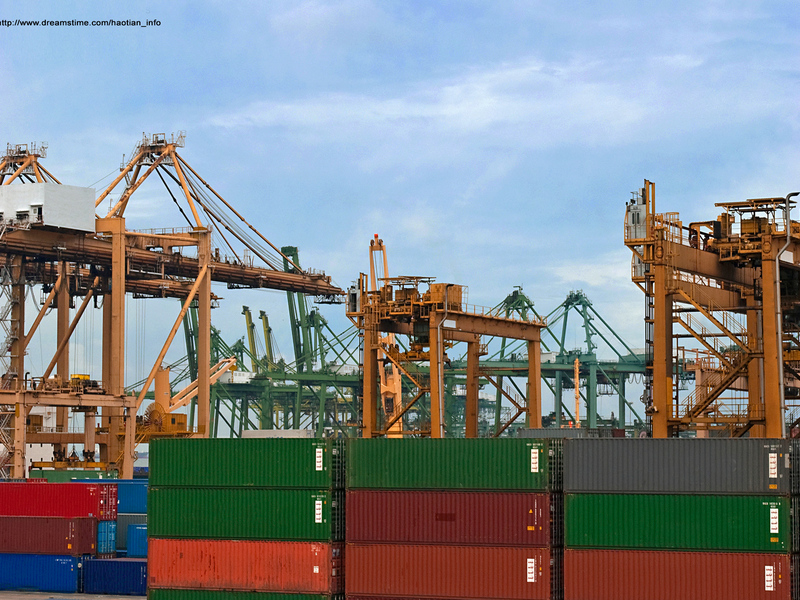
A family shipping household goods to Singapore by sea freight should budget ten to fourteen weeks from the day boxes are packed to the day furniture is unloaded in a new flat, not the four to six weeks many first-time movers assume. Anyone who has just confirmed an Employment Pass, S Pass, Dependant’s Pass or Permanent Residence, and is now staring at a half-packed flat back home, is really asking one question: when do I need to start, and in what order do the pieces fall?
Most relocation advice for Singapore focuses on the pass application, the tenancy agreement and the school enrolment queue. The shipping container is usually an afterthought, dealt with in a rushed phone call to whichever mover a colleague happened to mention. That is a mistake: sea freight has its own fixed rhythm of cut-off dates, port schedules and customs windows that do not bend for a late decision. Get the sequencing wrong and a family can end up paying for a hotel extension or weeks of borrowed crockery while a container sits at a transhipment hub.
This guide sets out the practical side of the move: how sea freight compares with air freight, how to choose between a full container and a shared one, what a freight forwarder should do on your behalf, and a week-by-week timeline from first quote to delivery day. It deliberately does not repeat the Goods and Services Tax (GST) relief mechanics, covered in full in our companion guide to GST import relief when shipping household goods to Singapore; the focus here is purely on timing, logistics and the decisions that determine whether belongings arrive on schedule.
Shipping Household Goods to Singapore: Sea Freight Versus the Alternatives
Most relocating households have three realistic options: air freight, sea freight, or a combination, sending high-priority items by air and the bulk of the household by sea. Air freight is fast, typically arriving within one to two weeks, but priced by weight and volume in a way that makes a full household shipment prohibitively expensive. Sea freight is the default choice for anything beyond a few suitcases, priced far more economically per cubic metre, at the cost of a much longer transit window.
Before your goods even reach a Singapore port, you should already have completed the immigration steps that make the move official. If you have not yet worked through those milestones, our EP holder’s first 30 days checklist is a useful companion, since the shipping timeline and the pass, banking and housing timeline need to run in parallel, not one after another.
FCL vs LCL: Choosing the Right Sea Freight Option
The first real decision in the sea freight timeline is whether to book a Full Container Load (FCL) or a Less than Container Load (LCL), and the choice affects both cost and speed. In an FCL arrangement, a 20-foot or 40-foot container is loaded exclusively with your household goods, sealed, and shipped directly. This is generally the faster and safer option, because the container is not opened or reloaded until it reaches Singapore, and it suits households with a full four-room flat or larger worth of furniture.
An LCL shipment, by contrast, shares container space with other households’ cargo. Boxes and furniture are consolidated at an origin warehouse, loaded alongside other shipments, and deconsolidated again at a Container Freight Station once the vessel arrives. This makes LCL considerably cheaper for a one or two-bedroom household, but the extra handling at both ends adds time and slightly raises the risk of transit damage. As a rule of thumb, FCL shipments tend to clear the sea leg in roughly six to nine weeks from collection, while LCL shipments, waiting first to fill a container and then for deconsolidation, more commonly run nine to fourteen weeks door to door. Either way, build in a buffer: port congestion, public holidays and vessel rescheduling are common enough that a “just in time” plan rarely survives contact with reality.
Choosing a Freight Forwarder Singapore Families Can Rely On
The freight forwarder, not the shipping line, is the party you deal with directly, and the right choice makes the difference between a predictable move and a stressful one. A forwarder should handle origin packing, the ocean leg, coordination with a Singapore-based destination agent, and the Customs paperwork on your behalf, typically including the Declaration of Facts described below. Ask any forwarder you are considering to confirm, in writing, whether they run their own destination office in Singapore or subcontract to a local partner, since a direct relationship usually means faster problem-solving if something goes wrong at the port.
Questions Worth Asking Before You Sign
- Is the quoted price door-to-door, or does it exclude Singapore-side destination charges, storage, and last-mile delivery up flights of stairs or into a lift-access condominium?
- What transit insurance is included, and what is excluded? Ocean cargo carriers’ statutory liability under the Hague Rules framework is calculated by weight, not replacement value, so a modest built-in liability limit is rarely enough to cover a household’s real possessions; ask for a separate all-risk transit policy quoted on declared value.
- Who issues the Bill of Lading, and will you receive a copy before the container departs? You will need it for the Declaration of Facts.
- What happens if your pass or tenancy timeline shifts and the shipment needs to be held at origin, or stored in Singapore, before delivery?
For readers also setting up a Singapore entity around the same time as a personal relocation, container storage before clearance sometimes runs through a bonded facility; Raffles Corporate Services’ explainer on Free Trade Zone usage and customs is a useful reference if your move coincides with importing goods for business rather than purely personal use.
The Practical Moving Timeline, Week by Week
The sea freight timeline below assumes a typical origin market (Europe, North America, Australia or elsewhere in Asia) and should be read as a planning framework, not a guarantee, since actual dates depend on your trade lane and the forwarder’s schedule.
10 to 12 Weeks Before Departure: Quote, Compare and Book
Request quotes from at least two or three forwarders, ideally with a video or in-person survey of your current home so estimates of volume are accurate. Confirm your Employment Pass or Dependant’s Pass In-Principle Approval status at this stage too, since the six-month GST relief window described in our companion guide is measured from your first arrival in Singapore, and a shipment that clears customs after that window closes becomes fully dutiable.
6 to 8 Weeks Before Departure: Pack and Hand Over
Packing typically takes one to three days depending on household size. Once the container or consolidated cargo is sealed, the forwarder issues the Bill of Lading or Air Waybill, which becomes the key reference document for every subsequent step, including the Declaration of Facts. Keep a digital copy accessible; you will need to submit it before the goods arrive, not after.
On Arrival: Customs Clearance and Collection
Once the vessel docks, your appointed agent collects sea freight shipments from the Port of Singapore Authority port area, as set out on the Customs page on collecting shipped items on arrival (as at 26 February 2026). Checkpoint clearance is typically a few working days once the GST relief permit is approved, but that approval depends on paperwork filed weeks earlier, which is why the Declaration of Facts belongs in the “before departure” stage of planning, not “after arrival”.
What to Pack, and What to Simply Buy in Singapore
Sea freight is priced by volume, so every cubic metre shipped is a cubic metre paid for, and Singapore’s compact, well-stocked retail market changes the maths on what is worth bringing. Furniture built for larger overseas homes often will not fit through a Singapore condominium lift lobby; measure lift dimensions and door widths against your inventory first. Large appliances are usually not worth shipping either, since Singapore’s electrical standard (230V, 50Hz, three-pin UK-style sockets) differs from North American and some other systems, so an imported appliance can need a step-down transformer or simply will not run correctly.
Items generally worth shipping include furniture in good condition that will fit the new space, artwork, books, and goods with sentimental or high replacement value. Items generally better bought locally include mattresses (bulky, low value-to-volume ratio, and readily available), large electronics on a different voltage standard, and anything replaceable cheaply within days of arrival. A household that ships only what genuinely earns its cubic metre of container space usually saves several hundred to over a thousand SGD against one that ships everything by default.
Getting the Paperwork Right: The Declaration of Facts
Singapore Customs requires a Declaration of Facts (DOF) to be submitted online before your goods arrive, whether they travel by freight, post or Speedpost. For freight shipments, the DOF must be supported by a copy of your passport and/or NRIC, proof that you are moving to Singapore (an Employment Pass, Dependant’s Pass, Student’s Pass or MOM In-Principle Approval letter all qualify), an ICA Re-Entry Permit if you are a Permanent Resident, and the Bill of Lading or Air Waybill, with only one DOF permitted per Bill of Lading, as confirmed on the Singapore Customs page on sending unaccompanied items (as at 25 February 2026). Once Customs approves the DOF, your agent has ten working days to apply for the actual Customs In-Non-Payment (GST Relief) permit through TradeNet.
If the goods have already arrived in Singapore before the DOF is submitted, Customs will reject the application outright and GST becomes payable in full on the shipment, a detail confirmed on the Customs page setting out who qualifies for GST relief (as at 21 August 2026). This is the single most common and avoidable error in the process: a family that books the freight forwarder but delays the DOF paperwork by even a few days can find the container clearing customs before the declaration is filed.
Costs and Delays Families Rarely Budget For
Beyond the headline freight quote, build a contingency into both budget and calendar. Destination storage fees accrue if you are not yet in permanent housing when the container arrives; many forwarders offer short-term storage, but it is billed separately and by the week. Certified translation of non-English documents, verification letters from an overseas authority, and last-mile delivery charges for buildings with restricted lorry access or narrow lift lobbies are all recurring surprises. Families settling into a specific neighbourhood may find our guide to renting in Singapore by neighbourhood useful for anticipating lift and loading-bay constraints, since older heartland blocks and newer condominiums have very different delivery logistics.
Timing the sea freight booking against your actual move date, rather than an optimistic estimate, is the single biggest lever families have over cost and stress. A forwarder asked to expedite a shipment, or hold cargo because a tenancy is unsigned, will charge accordingly. Our country-pair relocation playbooks can help align the shipping timeline with the rest of the move rather than treating it as a separate, later decision.
Conclusion: Start the Sea Freight Timeline Early
Shipping household goods to Singapore by sea freight rewards early planning and penalises last-minute decisions more than almost any other part of a relocation. Book the freight forwarder Singapore families trust ten to twelve weeks out, choose between FCL vs LCL based on your actual household volume rather than habit, file the Declaration of Facts before the goods arrive, and treat the six-month GST relief window as a hard deadline rather than a guideline.
Little Big Employment Agency supports newly approved pass holders through every stage of settling into Singapore, from the pass itself through to the practical logistics of getting a household here intact and on schedule. Visit Singapore Employment Agency for further relocation guidance, and if your move also involves setting up or restructuring a Singapore business entity, Raffles Corporate Services can advise on the corporate side in parallel.
By the Editorial Team, Little Big Employment Agency
Real people. Right here in Singapore.