
Insights for work and life.
Renting in Singapore , by neighbourhood , Step-by-step walkthrough
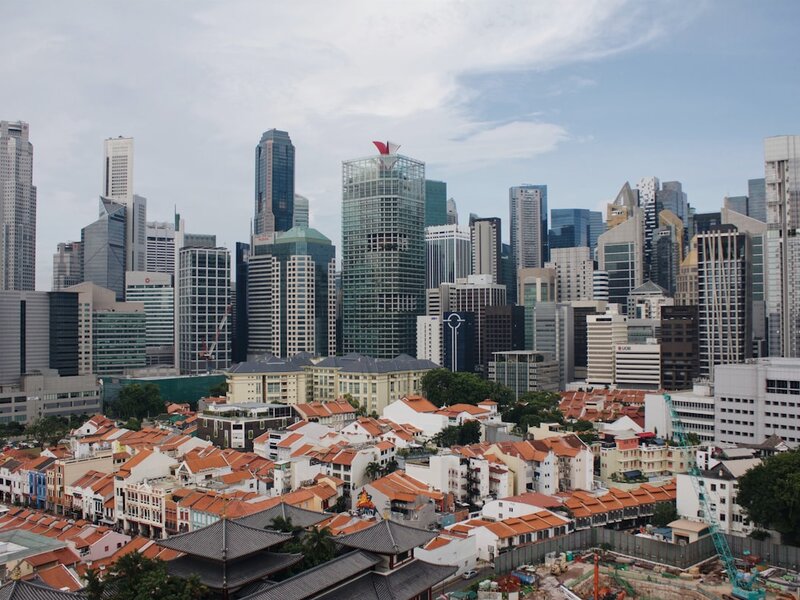
Renting in Singapore comes down to matching budget to neighbourhood, then executing the tenancy correctly. Rents vary widely by district, from prime central condominiums to suburban and heartland options, and the lease process has fixed steps: offer, deposit, stamp duty and handover. This walkthrough explains how to choose a neighbourhood, what each area costs, and the step-by-step tenancy process for newcomers in 2026.
Little Big Employment Agency (EA Licence 19C9790) works with a panel of corporate and employment law firms; this article is general information, not legal advice.
What renting in Singapore looks like
Singapore’s rental market splits into three broad tiers: private condominiums (the default for most relocating professionals and families), landed housing (houses and terraces, the premium segment), and Housing and Development Board flats (public housing, the most affordable, with eligibility rules for subletting). Leases are typically for one or two years, with a diplomatic clause often negotiated for expatriates. The market is competitive and moves quickly, so newcomers benefit from understanding the geography and the process before they start viewing.
Who this is for
This walkthrough is for individuals and families renting their first home in Singapore , usually arriving on an Employment Pass or accompanying a pass holder , and for anyone relocating between neighbourhoods. It assumes you are renting rather than buying, which is the right starting point for most newcomers given the property stamp duties that apply to foreign buyers. Read it alongside our broader relocating to Singapore with your family complete guide, which covers schooling and healthcare alongside housing.
Neighbourhoods and the numbers
Prime central districts , the areas around Orchard, River Valley, Tanglin and the central business district , command the highest rents, with family-sized condominiums commonly from S$6,000 to well over S$10,000 a month, prized for walkability and proximity to international schools and offices. The East Coast , Katong, Joo Chiat, Siglap , is popular with families for its lifestyle and relative value, often from S$4,500 to S$7,000 for a condominium. The suburbs and the north and west , areas near the business parks and the one-north research district , offer newer developments from around S$3,500 to S$5,500, suiting those who work nearby. HDB flats, where subletting is permitted, are the most affordable option, frequently from S$2,500 to S$4,000 for a whole unit. Across all tiers, budget two months’ deposit (one month for a one-year lease is common, two for a two-year lease), one month’s advance rent, and stamp duty on the tenancy.
Lease stamp duty and the costs that add up
Stamp duty on a residential tenancy is payable by the tenant and is calculated on the rent over the lease term , for leases of up to four years it is charged at 0.4% of the total rent for the period. On a two-year lease at S$5,000 a month, that is 0.4% of S$120,000, or S$480. Agency fees may also apply depending on the rent and lease length. Factoring deposit, advance rent and stamp duty together, a family signing a S$5,000-a-month condominium should expect to lay out in the region of S$15,000 to S$16,000 before moving in. These are working-capital costs, not all of them recoverable, so they belong in the relocation budget from the outset.
Step-by-step tenancy process
First, set a budget and shortlist two or three neighbourhoods against commute, schools and lifestyle. Second, view properties, ideally with an agent who represents you. Third, submit a Letter of Intent with a good-faith deposit and your proposed terms, including any diplomatic clause. Fourth, on acceptance, sign the Tenancy Agreement, pay the security deposit and advance rent, and pay the lease stamp duty to IRAS within the required window. Fifth, conduct a joint handover inventory with the landlord, recording the condition and meter readings. Sixth, set up utilities and broadband, and register your address where required. Keep the stamped Tenancy Agreement safe , it is your proof of the lease terms.
Common mistakes and gotchas
The most common mistake is skipping or delaying the lease stamp duty, which is the tenant’s legal obligation. The second is signing without a diplomatic clause, leaving an expatriate locked into a long lease if their posting ends early. The third is a sloppy handover inventory, which fuels deposit disputes at the end of the lease. The fourth is renting an HDB flat from a landlord who has not obtained approval to sublet, which can void the arrangement. The fifth is underestimating upfront cash by focusing only on the monthly rent. Where company relief or owner-director cash flow affects your housing budget, the partner guide to loss carry-back relief under Section 37E of the Income Tax Act is a useful read, and our corporate-governance primer on ordinary versus special resolutions in Singapore companies rounds out the setup picture.
Worked example , choosing between three neighbourhoods on one budget
Consider a couple with one child and a budget of around S$5,000 a month, weighing three options. In a prime central district, S$5,000 stretches only to a compact two-bedroom condominium, but the location offers walkability and proximity to the central business district and several international schools. On the East Coast, the same S$5,000 secures a larger, more family-friendly condominium with pools and greenery, at the cost of a longer commute to the city. In an HDB flat in a mature estate, S$5,000 would comfortably rent a whole, spacious unit, leaving budget to spare, with strong neighbourhood amenities and transport but a more local, less expatriate-oriented setting. The right answer depends on what the couple values , commute, space, community or saving. The exercise illustrates the central trade-off in the Singapore rental market: for any given budget, you are choosing among location, space and housing type, and clarity about which matters most makes the search far faster.
Ending the lease and getting your deposit back
The end of a tenancy is where disputes most often arise, and a little discipline at the start prevents them. The joint handover inventory taken at move-in , photographs, meter readings and a condition report signed by both parties , is the single most useful document, because it sets the baseline against which the landlord assesses any deductions. Tenants are generally responsible for fair-wear-and-tear maintenance during the lease, such as servicing the air-conditioning, and for returning the property in the move-in condition less reasonable wear. A diplomatic clause, where negotiated, allows early termination if the tenant must leave Singapore, usually after a minimum occupancy and with notice. Giving proper notice, settling final utility bills, and conducting a joint move-out inspection against the original inventory are what secure the prompt return of the deposit. Tenants who skip the move-in inventory or leave the property poorly are the ones who find their deposit whittled away at the end.
Authoritative sources
Confirm the current rules with the agencies: the Housing and Development Board sets the rules for renting public housing and subletting; the Immigration and Checkpoints Authority governs residence and address registration; and the Land Transport Authority runs the public-transport network that should shape your neighbourhood choice.
FAQs
How much is lease stamp duty? For residential leases of up to four years it is 0.4% of the total rent over the lease term, payable by the tenant.
How much upfront cash do I need? Typically two months’ deposit, one month’s advance rent and the stamp duty , around S$15,000 to S$16,000 on a S$5,000-a-month two-year lease.
What is a diplomatic clause? A clause allowing early termination if the tenant must leave Singapore, commonly negotiated by expatriates after a minimum occupancy period.
Can I rent an HDB flat? Yes, where the landlord has approval to sublet; renting from an unapproved landlord can void the arrangement.
Which neighbourhood is cheapest? HDB flats and the outer suburbs are generally the most affordable; prime central districts are the most expensive.
Need help with this? Call, SMS or WhatsApp +65 8501 7133, or email [email protected]. Little Big Employment Agency (EA Licence 19C9790) works with a panel of corporate and employment law firms; this article is general information, not legal advice.
Real people. Right here in Singapore.