
Insights for work and life.
Teaching in Singapore 2026: Work Passes for International School Teachers
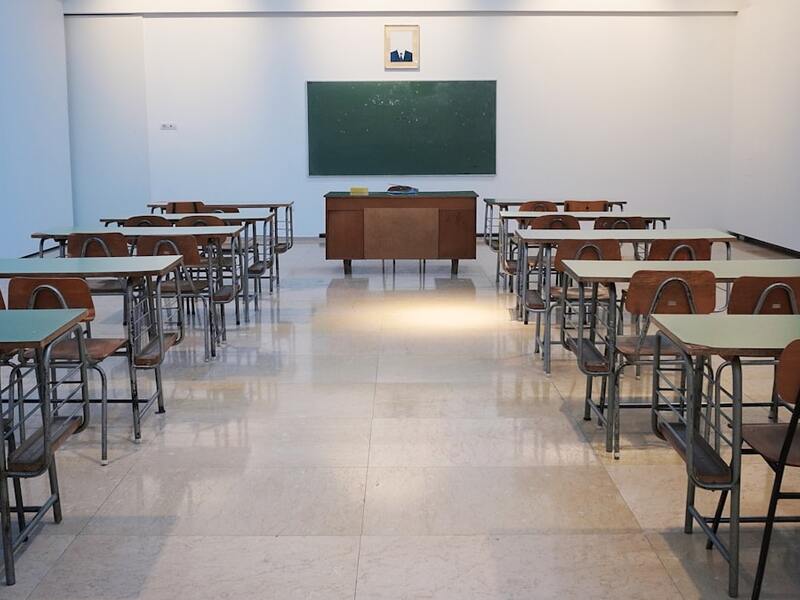
Singapore is home to more than 80 international schools. These schools employ thousands of foreign-qualified teachers across every level from early childhood to pre-university. Teaching in Singapore 2026 offers excellent salaries, low income tax, and a stable, well-funded education environment. Your work pass route depends on your role, salary, and employer type.
This guide explains the EP and S Pass pathways for teachers, the COMPASS scoring implications, registration requirements, and what international schools look for when hiring.
Two Types of Schools, Two Hiring Realities
Singapore’s education landscape divides into two main tracks. MOE government schools primarily hire Singaporean citizens and permanent residents. Foreign nationals rarely obtain teaching positions in MOE schools. When they do, they must hold qualifications the Ministry of Education recognises and register on the Singapore Teachers’ Register (STR).
International schools operate independently from MOE. They follow curricula such as the International Baccalaureate (IB), British A-Levels, the American Common Core, or Australian state curricula. International schools freely hire foreign-qualified teachers on Employment Pass or S Pass. These schools are registered with the Ministry of Education’s private education office.
Which Work Pass Do International School Teachers Need?
Most qualified international school teachers earn above SGD 5,600 per month and qualify for an Employment Pass (EP). The EP is the correct pass for professional teachers and middle or senior academic leaders.
Some teachers in support roles may qualify for an S Pass instead. These include teaching assistants, learning support specialists, and enrichment instructors. The minimum fixed monthly salary for an S Pass is SGD 3,150 as at August 2026. The S Pass eligibility criteria include salary, educational qualifications, and work experience.
Work Permits do not apply to teachers. All teaching roles at recognised educational institutions sit above the Work Permit salary and qualification thresholds.
EP Eligibility for Teachers in 2026
To qualify for an EP in 2026, a teacher must earn at least SGD 5,600 per month in fixed salary. Age-progressive thresholds apply. Teachers aged 45 and above need to earn approximately SGD 10,700 per month. Full details appear on the Ministry of Manpower EP eligibility page.
Salary is only one component. Since September 2023, every EP application undergoes COMPASS assessment. COMPASS scores applications across five criteria: salary relative to peers, qualifications, employer diversity, local employment support, and a skills bonus. Teachers applying through international schools should ask HR whether the school has a strong local employment ratio, as this affects the employer’s COMPASS contribution. Our COMPASS framework guide explains the full scoring system.
Salary Benchmarks for Teachers at Singapore International Schools
Salaries vary widely by school, curriculum, and experience level. These figures give a useful starting point.
Subject teachers with three to five years of experience typically earn SGD 5,500 to SGD 7,500 per month. Heads of department or year-level coordinators generally earn SGD 7,000 to SGD 10,000 per month. School principals and deputy principals at large international schools can earn SGD 12,000 to SGD 20,000 per month or more.
Many international schools structure packages with a base salary plus housing allowance, school-fee concessions for the teacher’s children, and annual flights home. When comparing offers, confirm whether the advertised figure is the fixed monthly salary or the total package. EP eligibility rests on the fixed salary only.
The EP Application Process for a Teaching Role
The school’s HR department submits the EP application on behalf of the teacher through the Employment Pass Online (EPOL) portal. Teachers do not apply directly to MOM.
The process runs as follows. First, the school makes a formal job offer. Next, the school or its appointed agency lodges the EP application. MOM typically processes applications within three weeks. Once approved, the In-Principle Approval (IPA) letter goes to the school. The teacher enters Singapore on the IPA, completes any required medical examination, and collects the EP card at a MOM services centre.
The EP is valid for one to two years on first issuance. Subsequent renewals can cover up to three years at a time. Teachers planning to bring family members should check whether they qualify to sponsor a Dependant’s Pass. EP holders earning above SGD 6,000 per month may sponsor a spouse or children.
Do Teachers Need Singapore Teaching Registration?
Teachers at MOE government schools must register on the Singapore Teachers’ Register (STR). The Ministry of Education maintains the STR and requires MOE-recognised qualifications and a fit to the national curriculum.
Teachers at international schools do not need STR registration. International schools operate under their own governance frameworks and follow accreditation requirements set by curriculum bodies such as the IB Organisation, Cambridge Assessment, or US regional accreditors. Meeting those bodies’ teacher qualification standards is sufficient for hiring.
If you plan to teach in a specialist capacity at an MOE institution, check with MOE directly, as requirements vary by engagement type.
What International Schools Look for When Hiring
Beyond the work pass, international schools assess candidates on curriculum expertise, experience with differentiated learning, language of instruction, and cultural fit. Most top schools prefer teachers who hold a recognised teaching qualification from their home country alongside a subject-area degree.
Demand is strong for STEM teachers, special educational needs (SEN) specialists, and early childhood educators. Teachers in these fields may also receive elevated scores under COMPASS’s skills bonus criterion, which strengthens the EP application.
Living in Singapore as a Teacher
Singapore’s cost of living is high but manageable on an international school salary. Many schools provide a housing allowance of SGD 1,500 to SGD 3,500 per month. Our cost of living guide for expats in Singapore covers what to expect in detail.
As an EP holder, you pay Singapore income tax at resident rates once you satisfy the 183-day rule. Singapore’s top marginal rate is 24%, and teachers earning SGD 6,000 per month pay an effective rate well below 10% after standard reliefs. Read our Singapore tax residency guide for a full breakdown.
After two to three years on an EP, many teachers explore the Permanent Residency pathway. Our Singapore PR guide explains the criteria and how to build a strong application.
Conclusion
Teaching in Singapore 2026 is well within reach for qualified international educators. The Employment Pass is the standard route for teachers earning above SGD 5,600 per month. Most international schools manage the application through their HR teams or a licensed employment agency.
Little Big Employment Agency (LBEA) is a MOM-licensed employment agency (Licence 19C9790) specialising in Employment Pass and S Pass applications for professionals relocating to Singapore. Contact Singapore Employment Agency to discuss your EP application or your school’s hiring plans.
The Editorial Team, Little Big Employment Agency
Real people. Right here in Singapore.